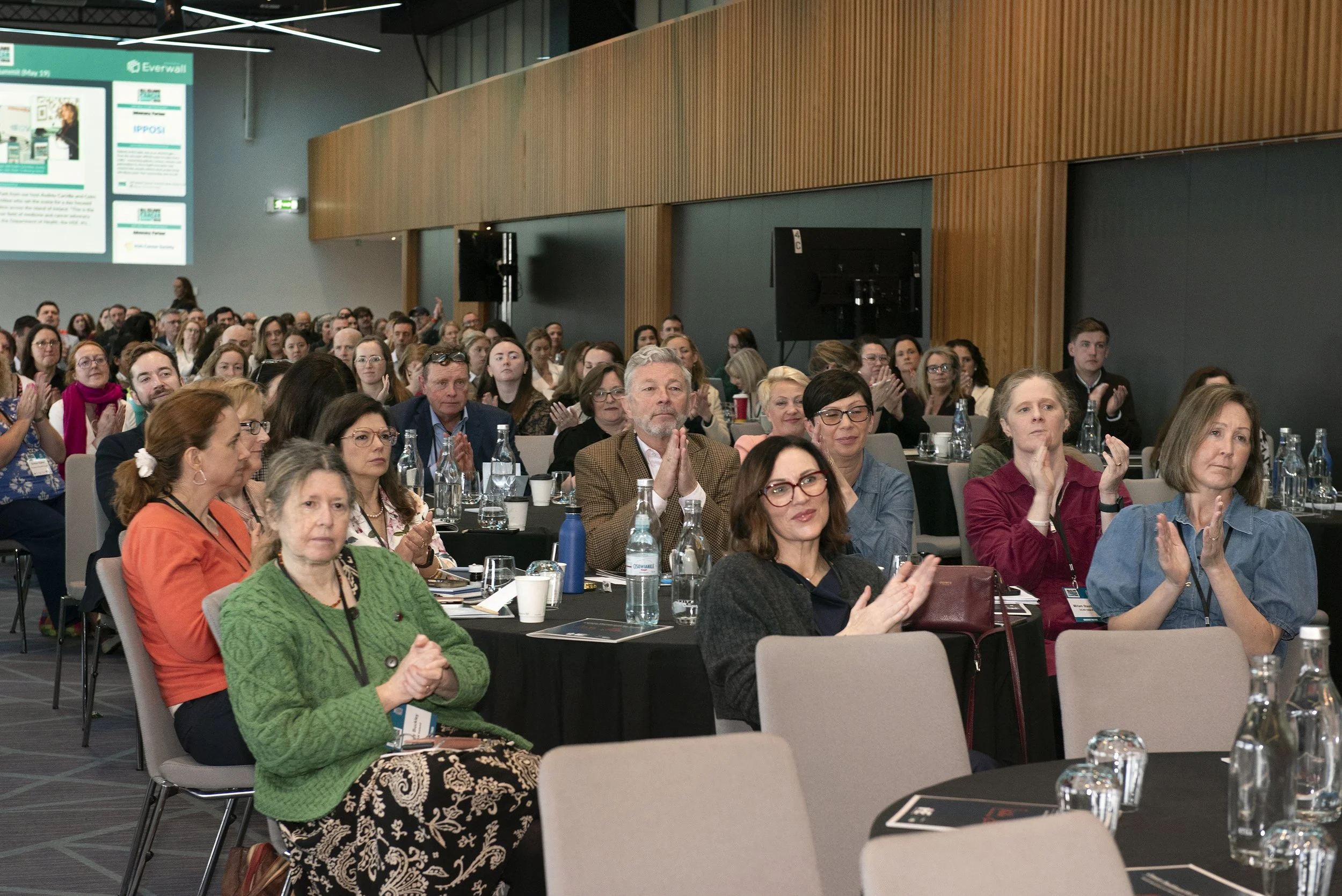
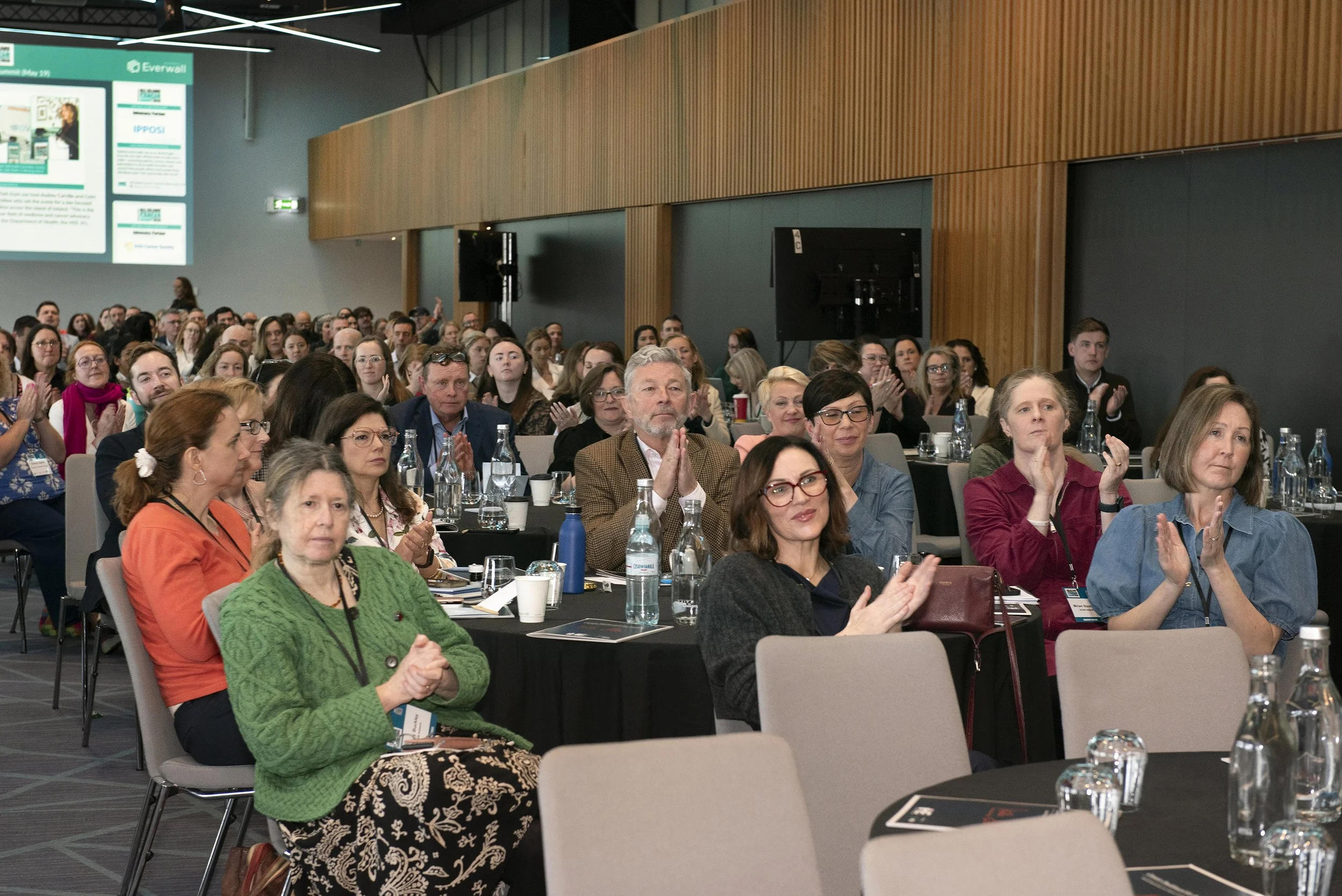
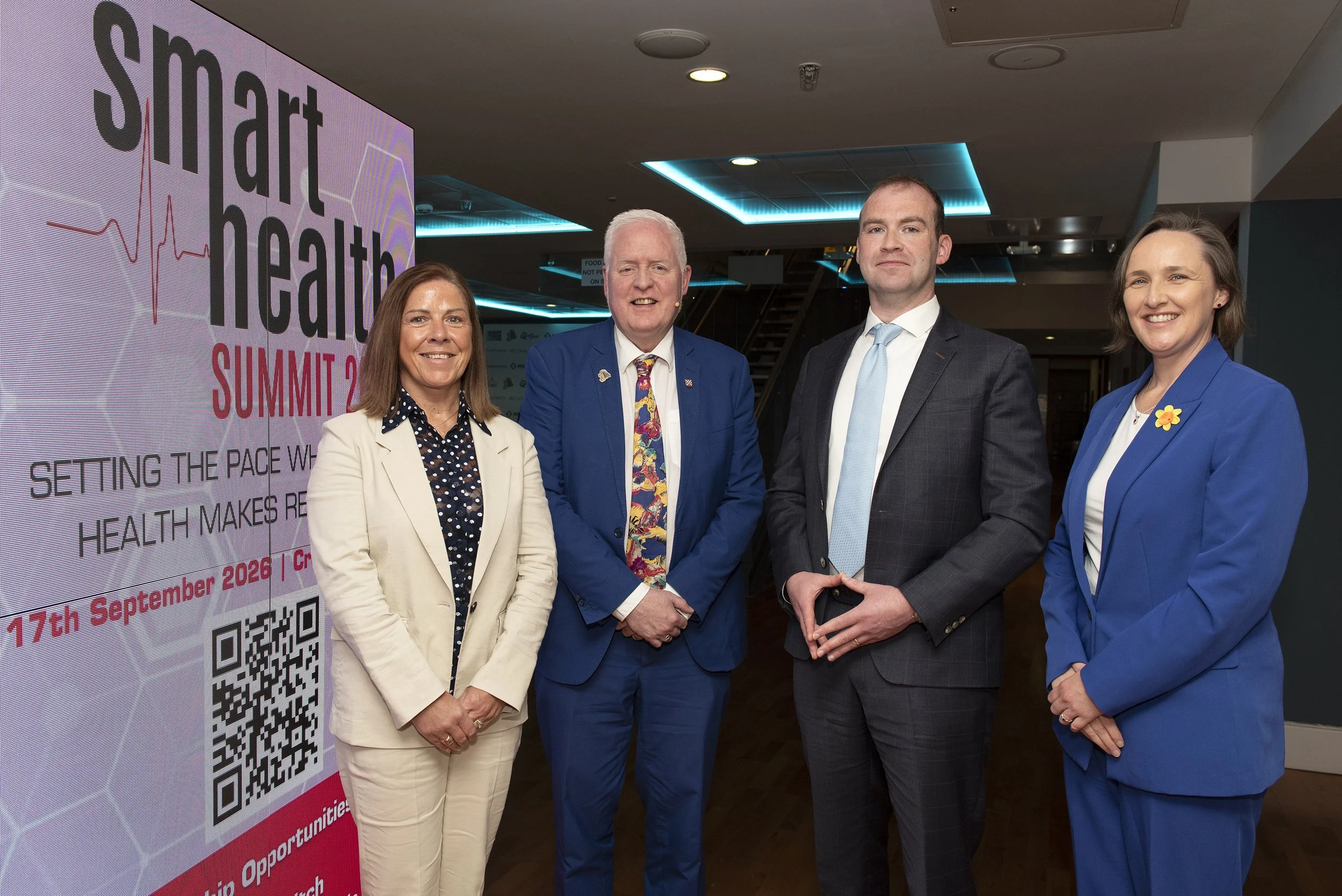
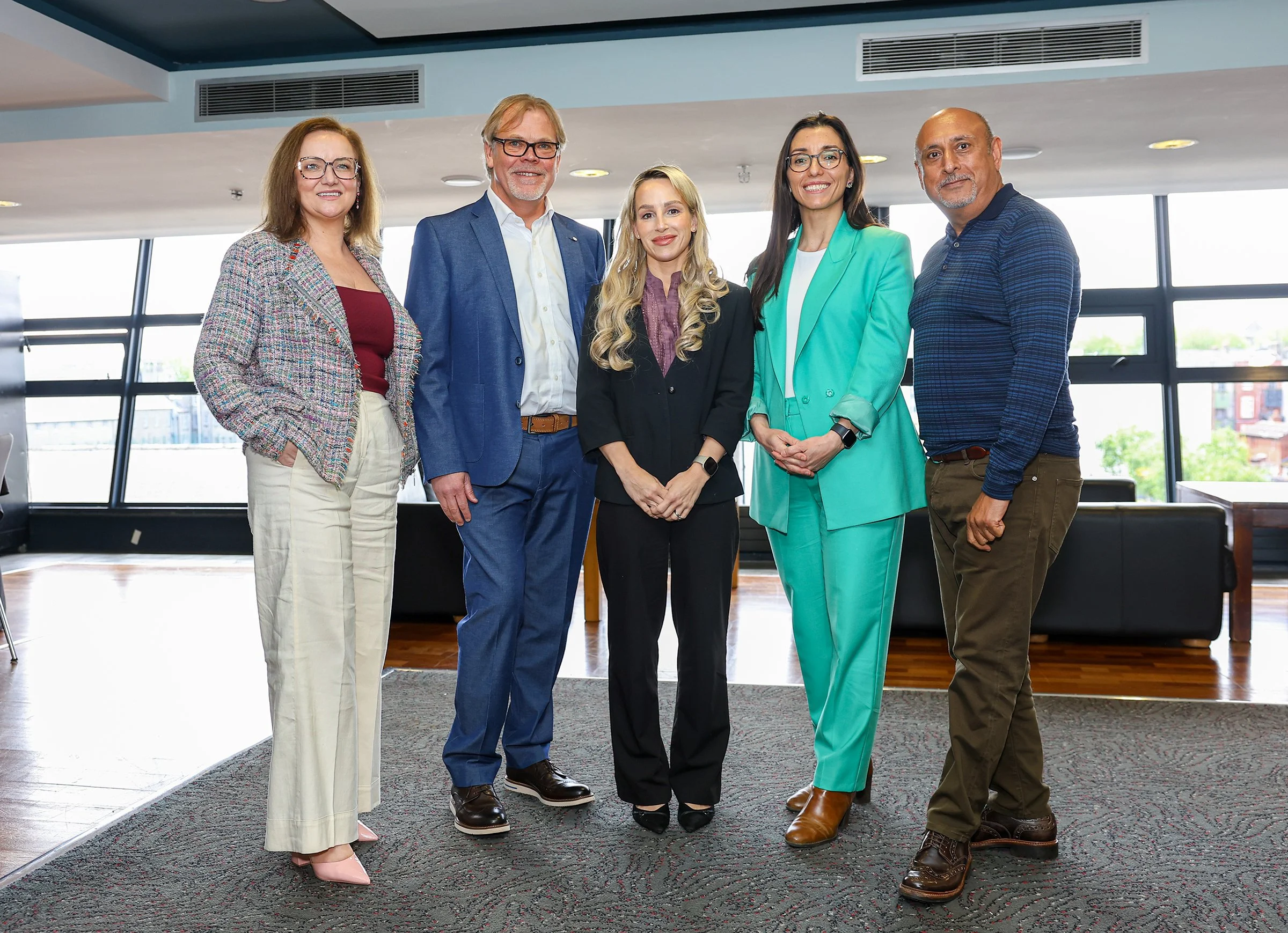
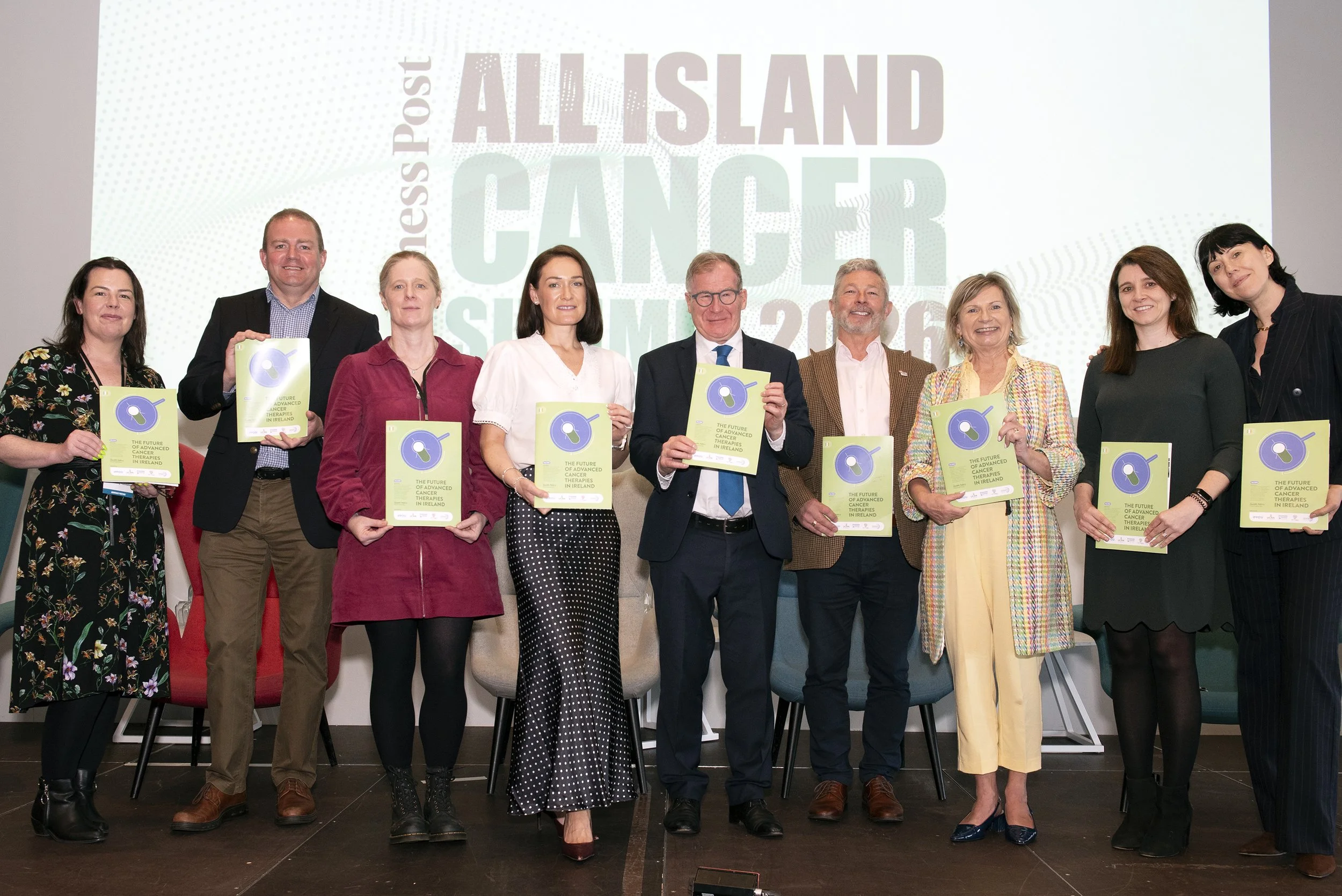
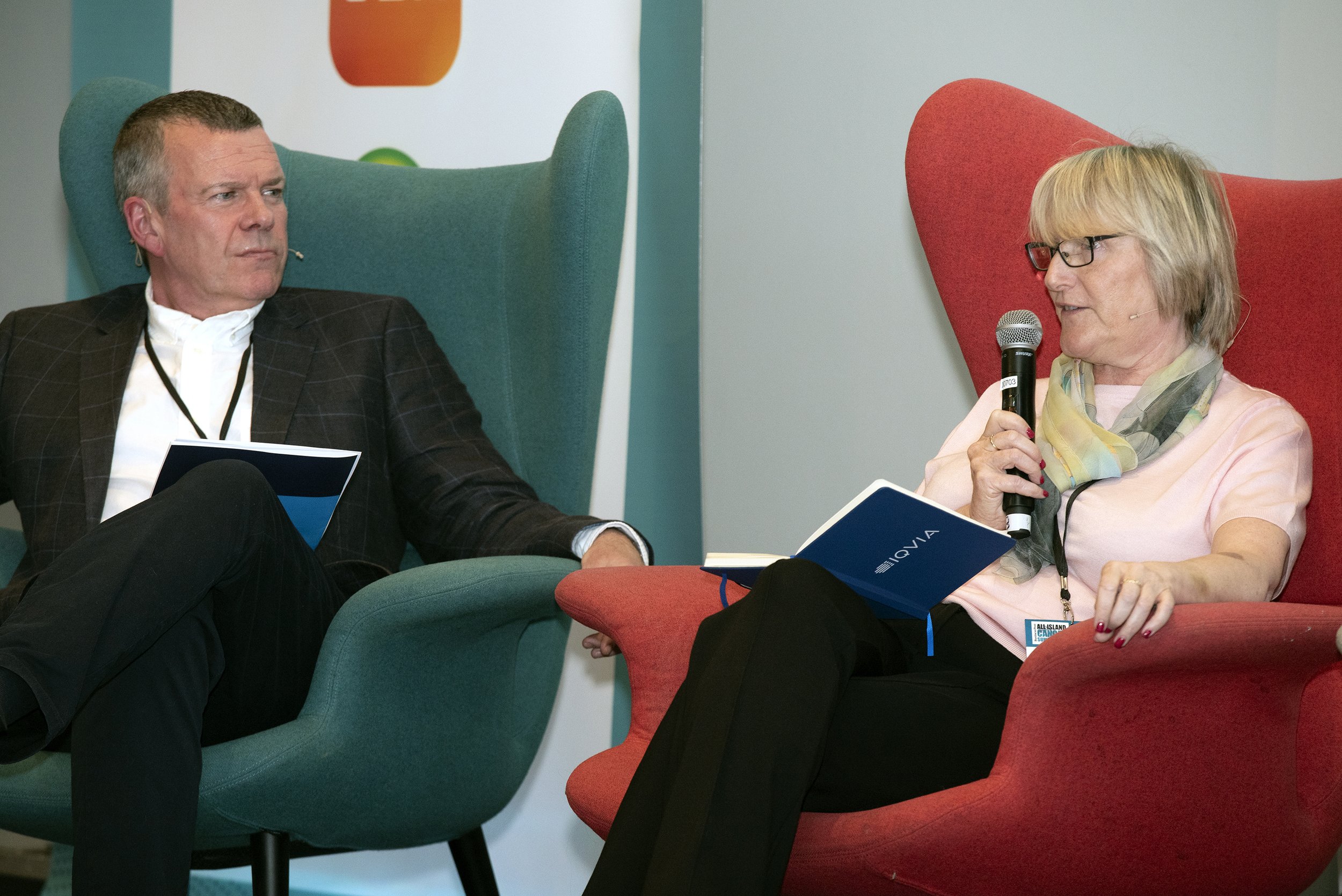
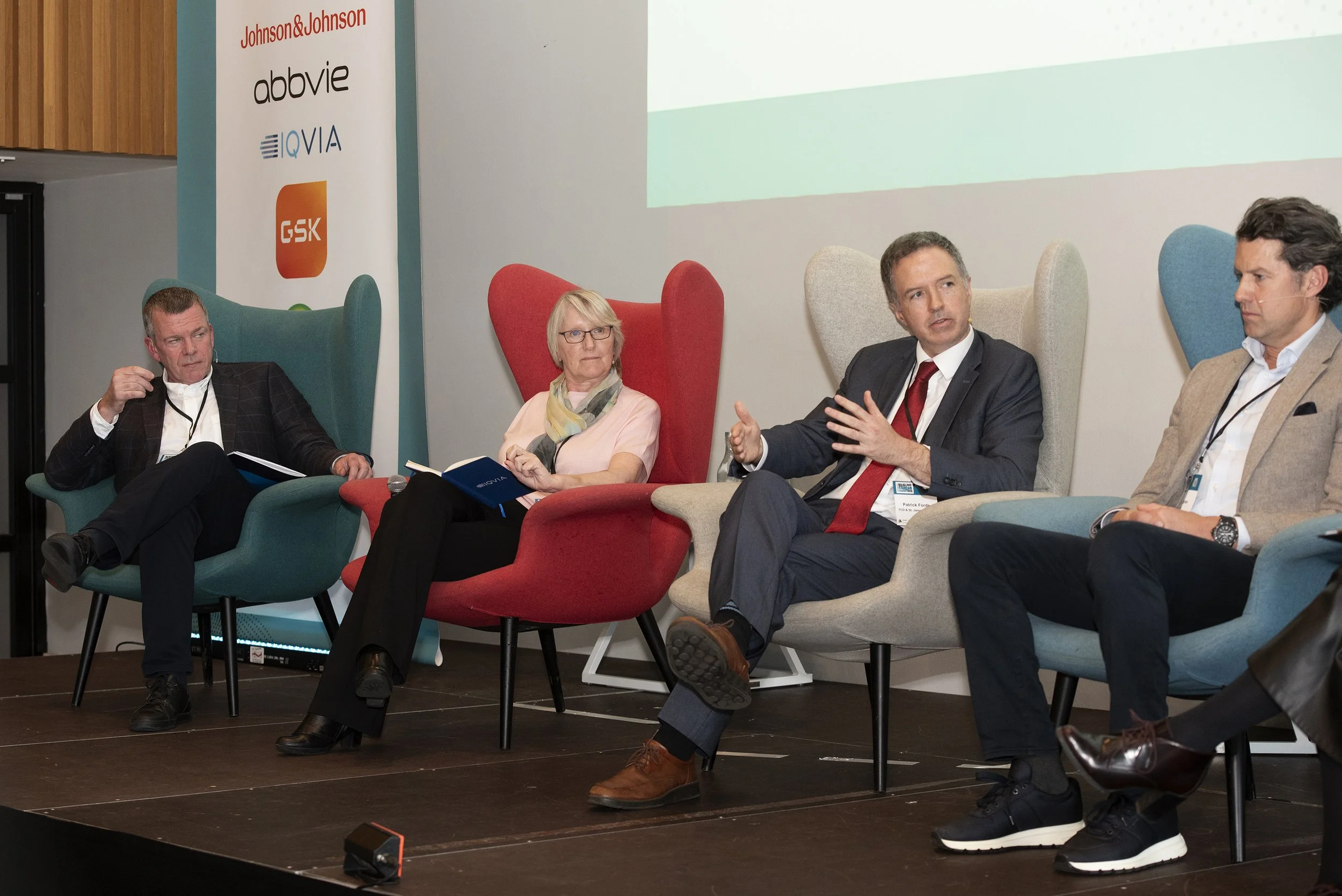
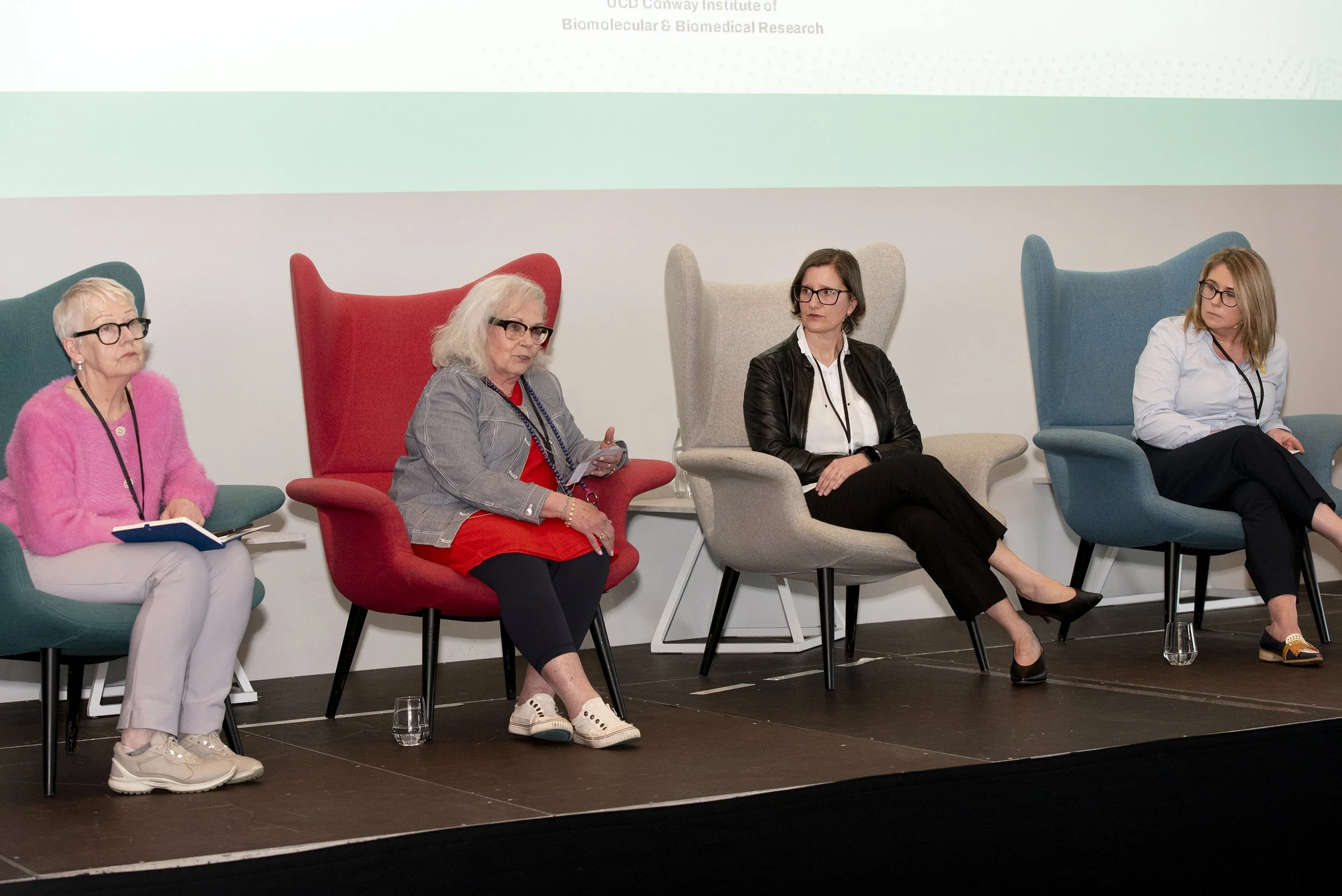
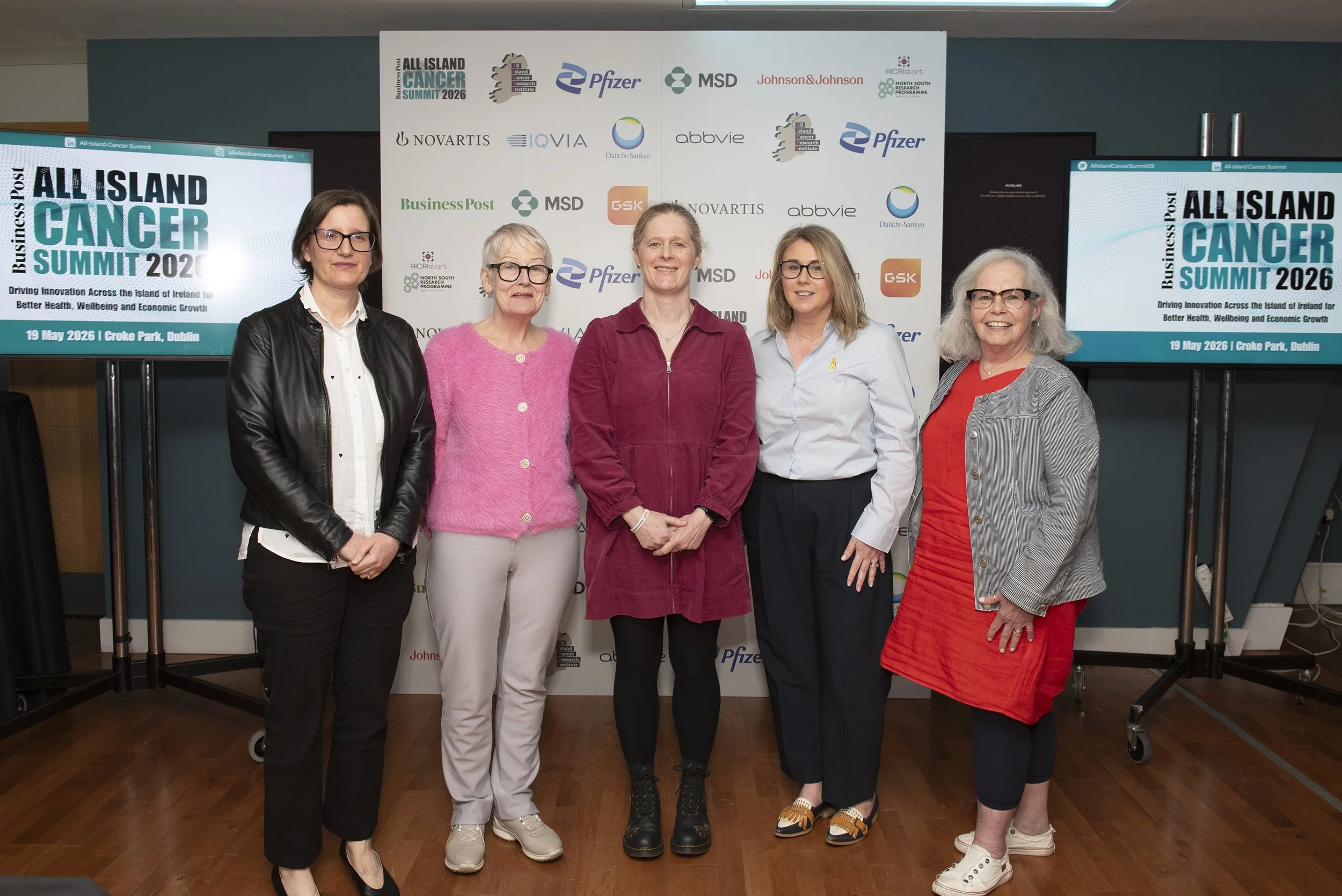
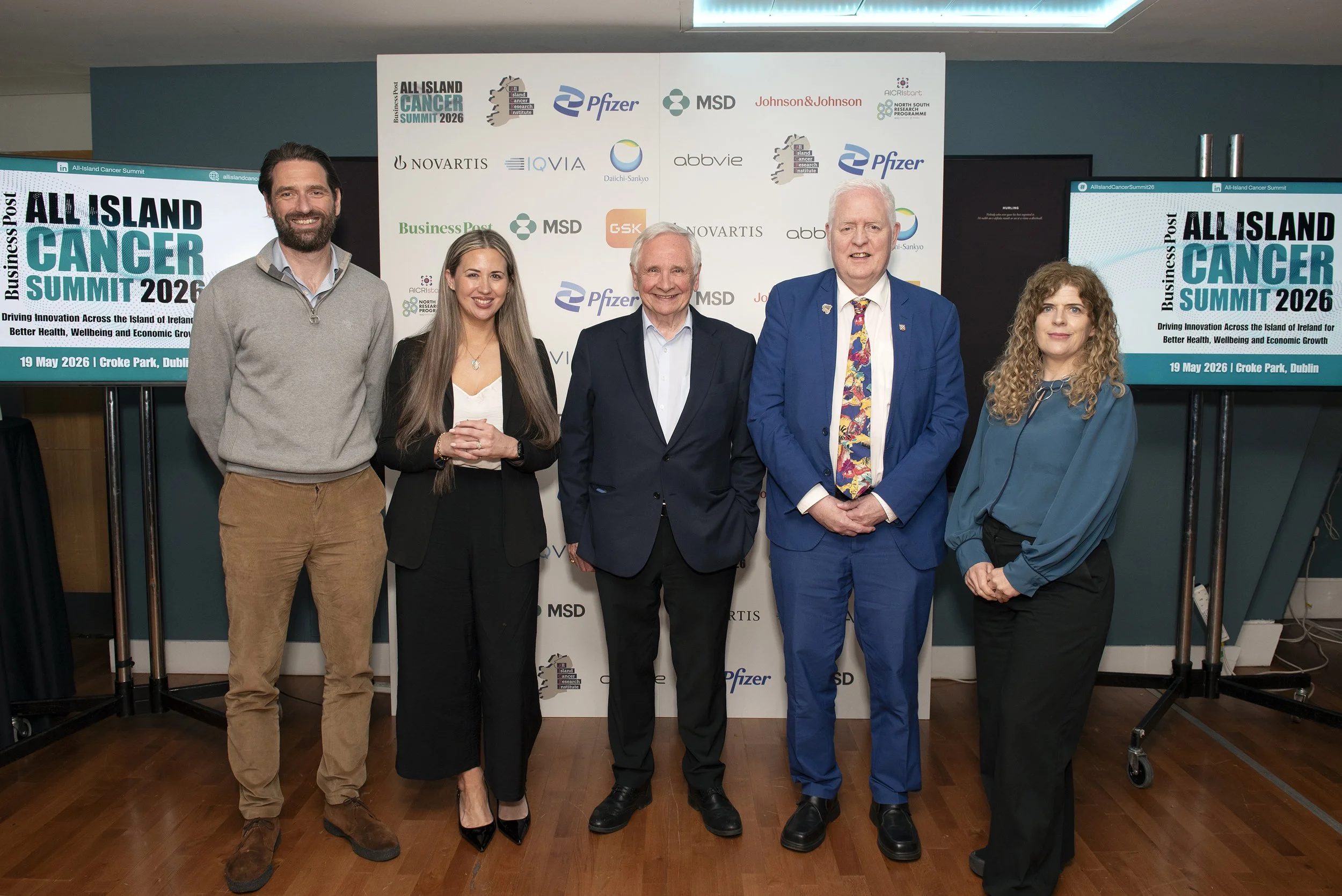
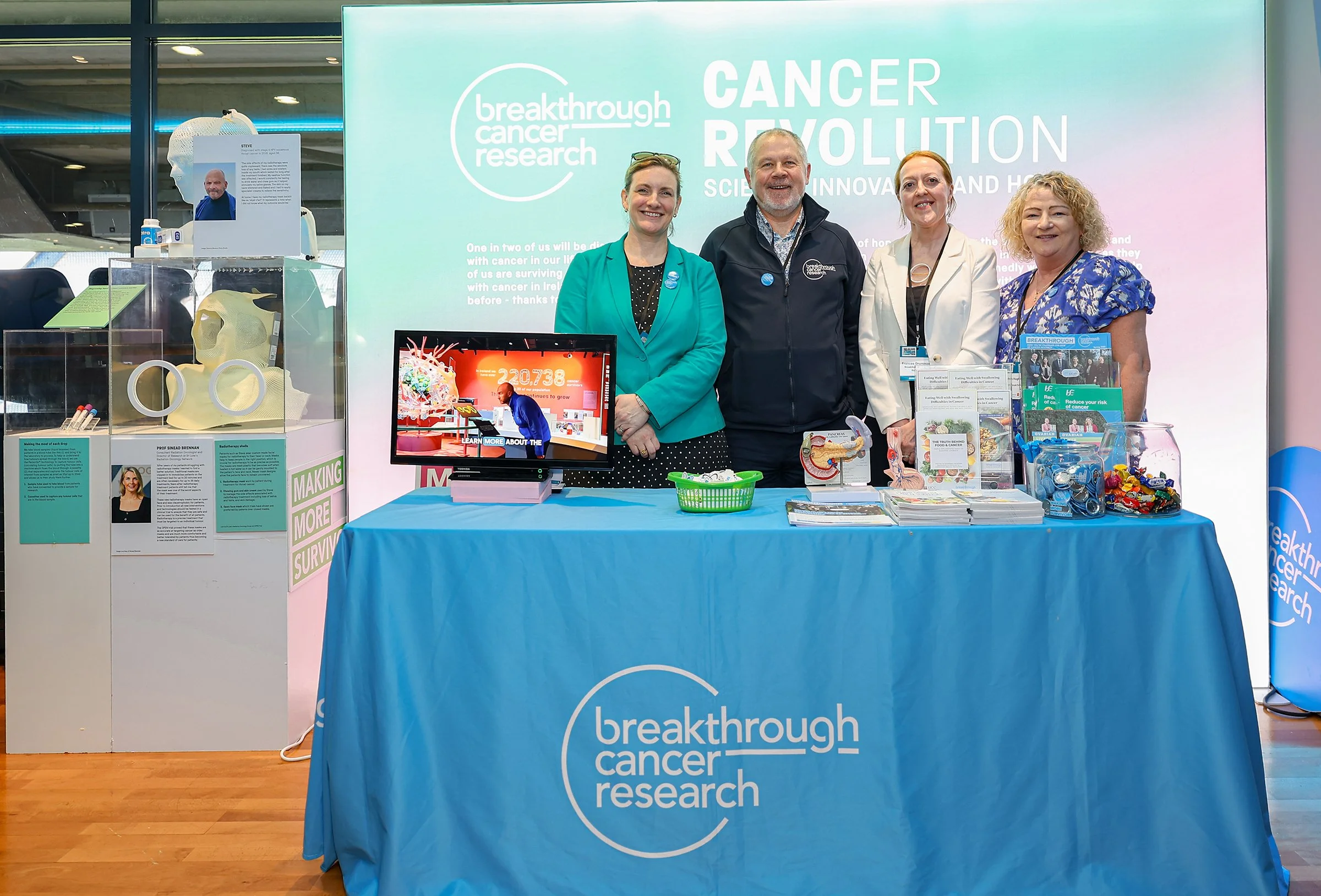
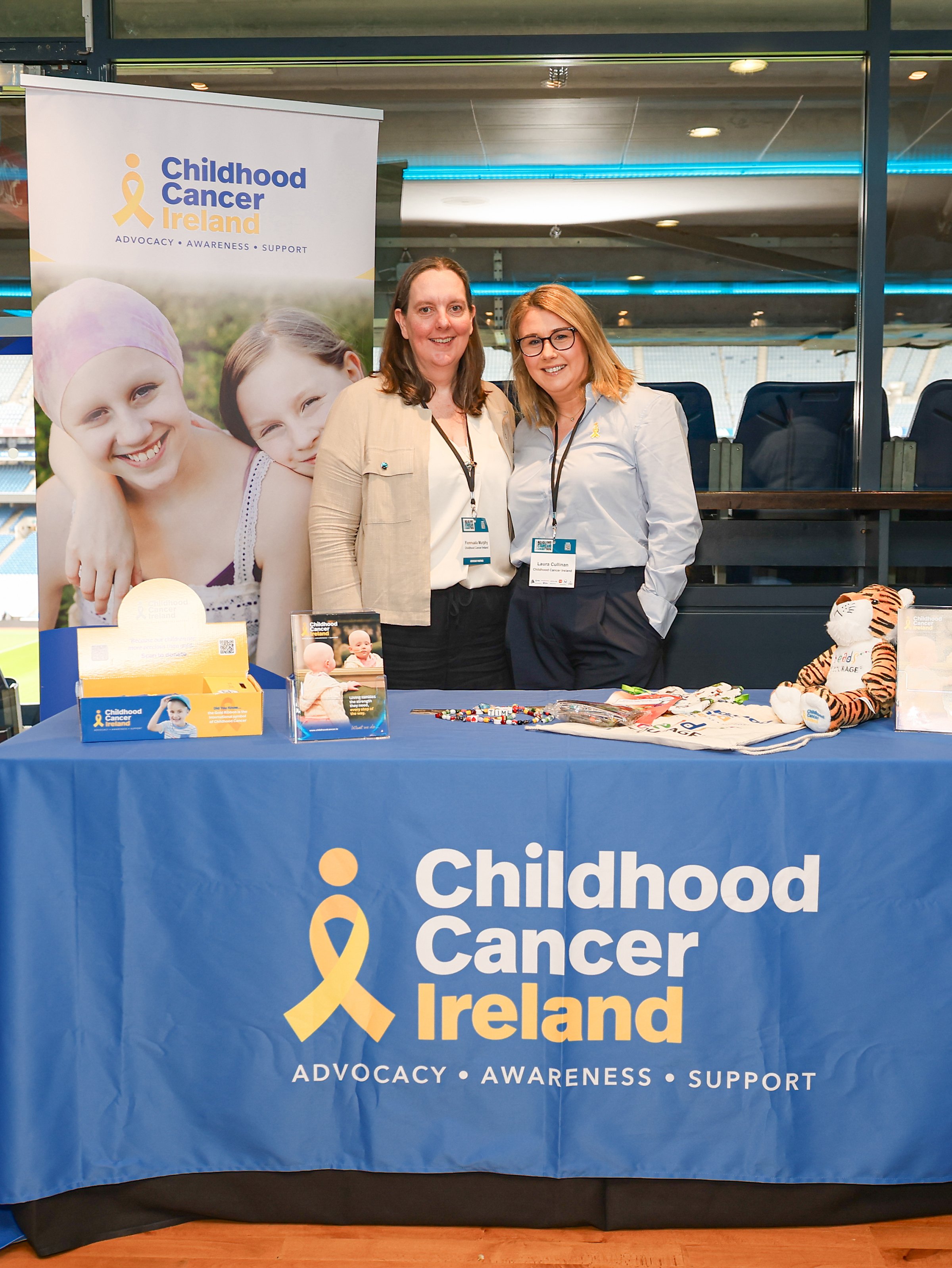
On 19 May 2026, leaders from cancer research, healthcare, policy, industry and patient advocacy came together at Croke Park for the All-Island Cancer Summit 2026, hosted in collaboration with The Business Post.
The Summit provided a major cross-border forum for discussion on how Ireland can advance a more unified approach to cancer prevention, diagnosis, treatment, innovation and survivorship. Across the day, speakers and panellists explored the opportunities and challenges facing cancer care on the island of Ireland, with a strong focus on equity, patient partnership, clinical trials, innovation and policy reform.
A clear message emerged throughout the Summit: Ireland has significant talent, expertise, infrastructure and ambition in oncology, but greater coordination is needed to ensure these strengths translate into better outcomes for patients across both jurisdictions.
Addressing Inequity in Cancer Care
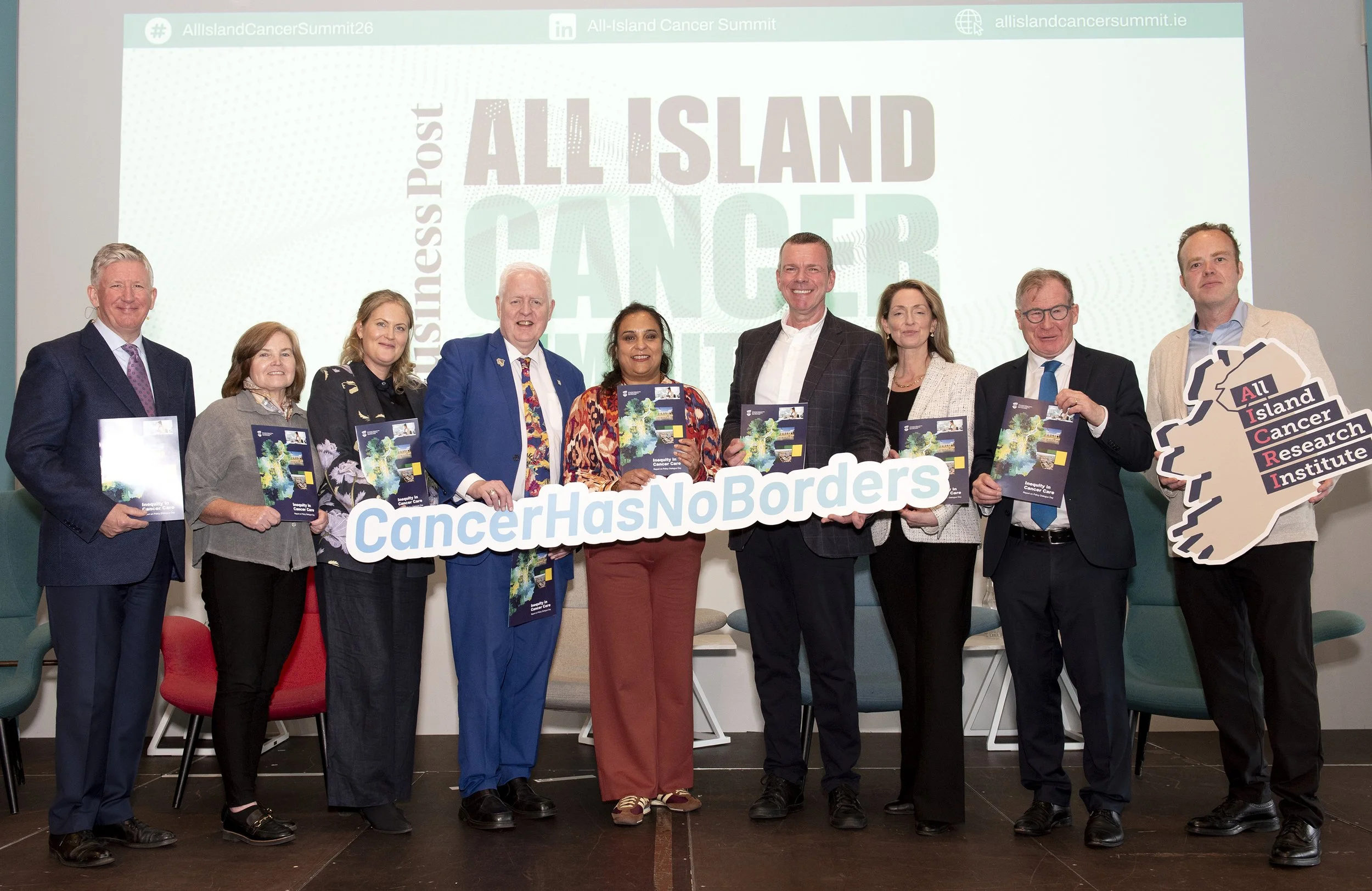
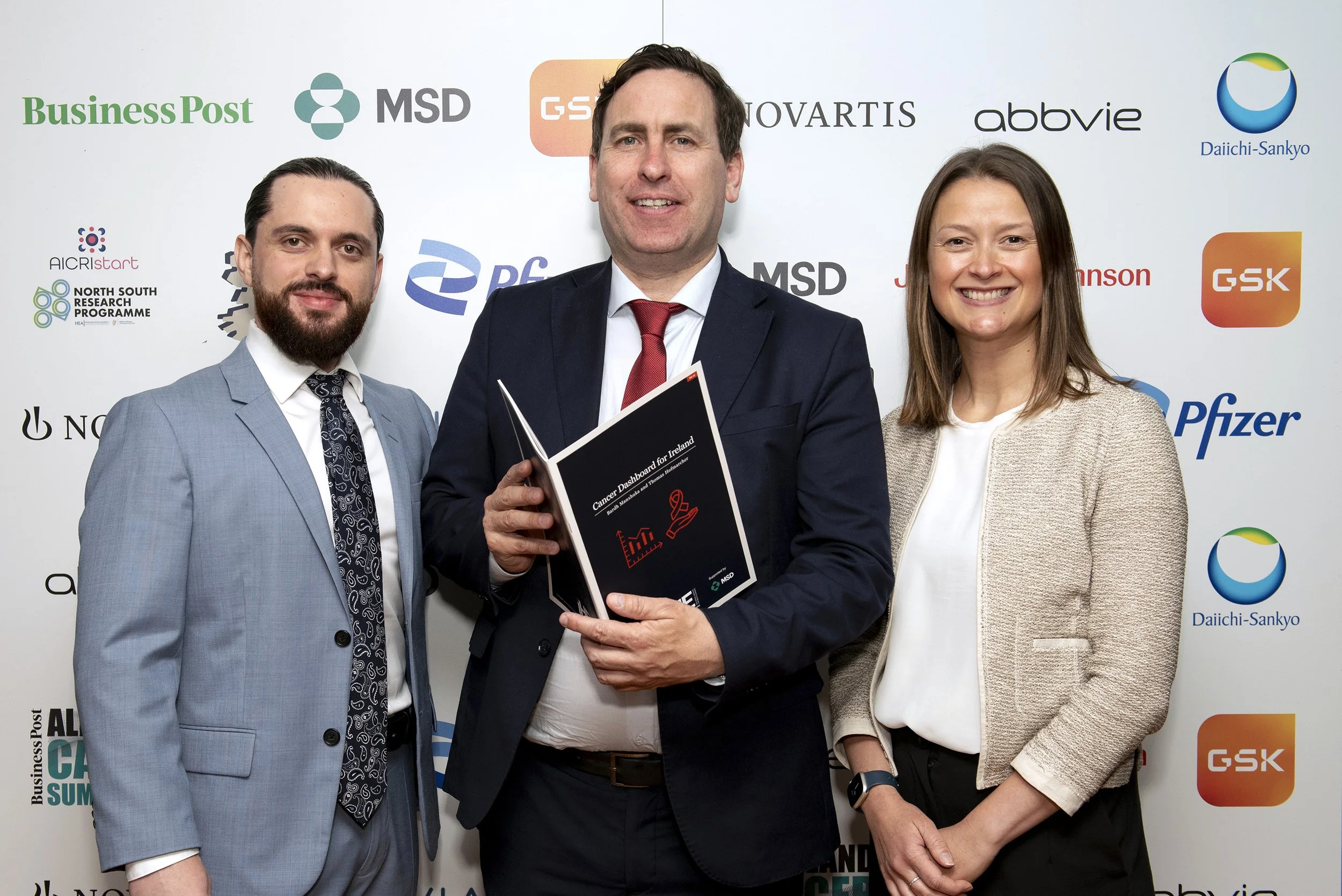
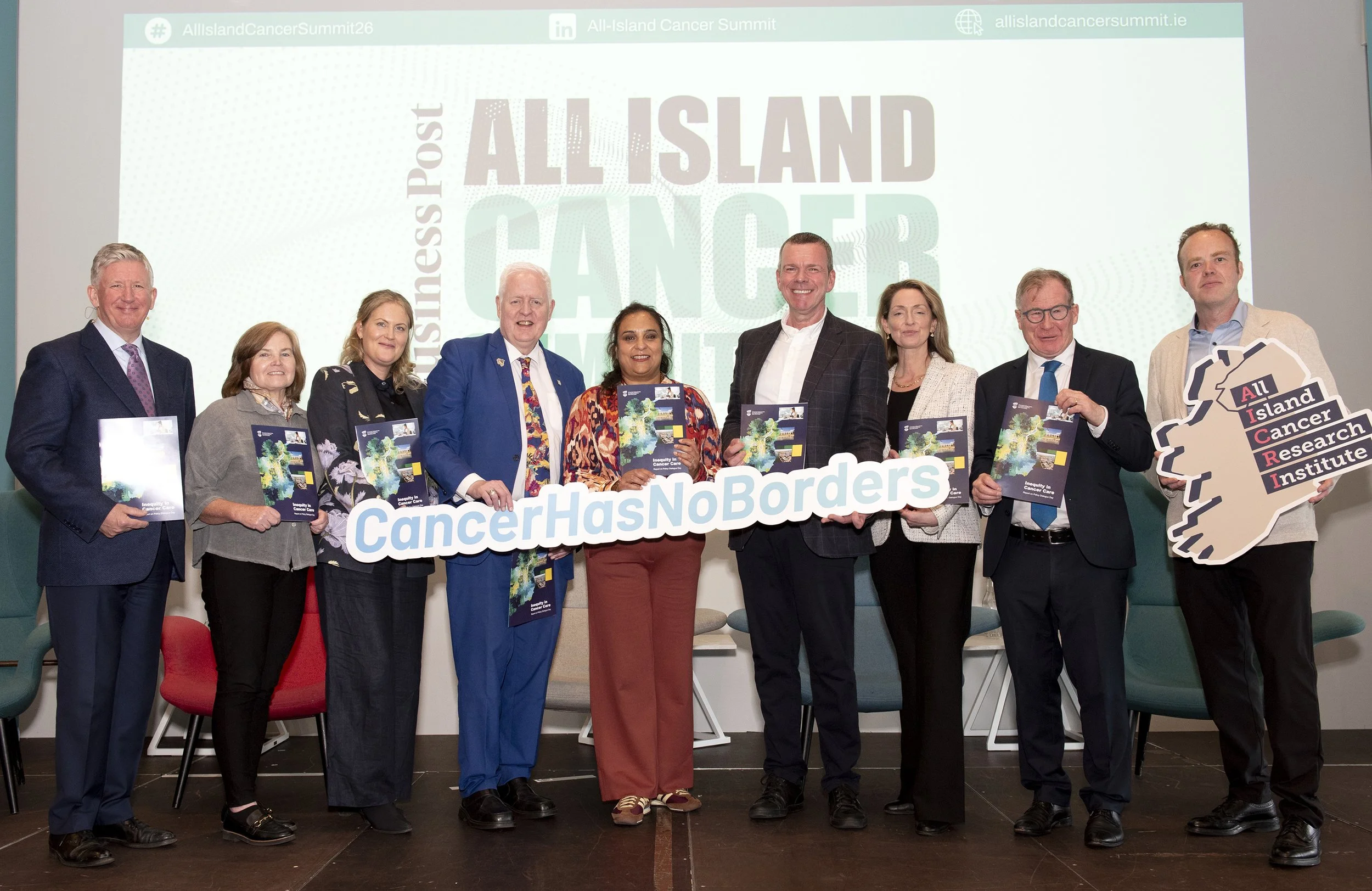
A landmark moment at the Summit was the launch of The Cancer Policy Dialogue Report: Inequity in Cancer Care for Patients with Significant Mental Health Difficulties.
The report highlights the significant inequities experienced by cancer patients living with severe mental illness, including schizophrenia and bipolar disorder. These patients can face life expectancies up to 30 years shorter than the general population, with delays in diagnosis, barriers to treatment and exclusion from clinical trials contributing to this unacceptable mortality gap.
Launching the report, Dr Paul D’Alton of UCD School of Psychology emphasised the urgent need to address these disparities and called for the creation of a dedicated clinical care pathway to support people with significant mental health difficulties in accessing cancer services.
Co-author Professor James V. Lucey, Clinical Professor of Psychiatry at Trinity College Dublin, described the inequality as empirical, inarguable and unacceptable, stressing that healthcare must be developed from the principle of human rights and equal access.
The report, linked to a policy dialogue event hosted at UCD Institute for Discovery in October 2025, sets out recommendations to improve cancer care for this vulnerable group. These include mental health awareness training for healthcare professionals, greater inclusion in clinical trials and stronger pathways to ensure timely diagnosis and treatment.
No Patient Left Behind
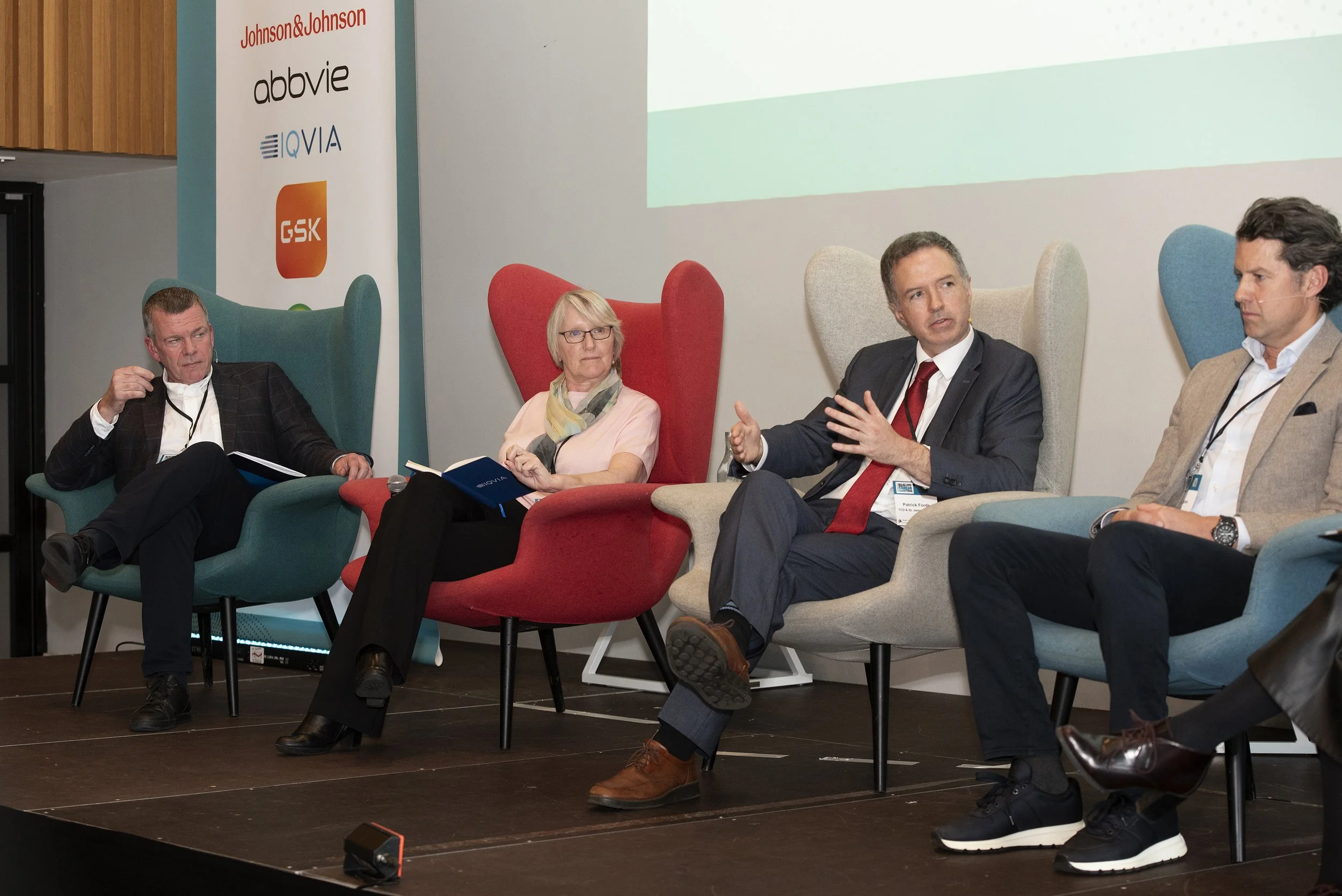
Equity was also central to the panel discussion, No Patient Left Behind: Improving Access and Equity Across Care Pathways.
Patient advocate Christine C. of the Northern Ireland Cancer Research Consumer Forum spoke powerfully about the systemic barriers faced by cancer patients across the island. She highlighted challenges in how quickly people are diagnosed, how they move through the healthcare system and how these issues ultimately affect outcomes after a cancer diagnosis.
Christine was joined on the panel by Dr Paul D’Alton, Associate Professor at UCD School of Psychology; Professor Patrick Forde, Prendergast Professor of Immuno-Oncology; and Shane Ryan, General Manager at Takeda and President of IPHA.
The discussion reinforced the importance of ensuring that no patient is left behind, particularly those facing additional barriers due to mental health difficulties, geography, socioeconomic factors or gaps in access to services.
Progress on the Right To Be Forgotten
Another important moment at the Summit came during the ministerial address from Minister of State Robert Troy TD, who announced a reform long awaited by many cancer survivors in Ireland: progress on the Right To Be Forgotten.
The remission period required for financial disclosure is being reduced from seven years to five years. This reform brings Ireland closer to international medical standards and removes an unnecessary barrier for people who have completed treatment and moved into remission.
Professor Mark Lawler, Co-Lead of AICRI, joined Steve Dempsey of the Irish Cancer Society in responding to the announcement. Both welcomed the reform while emphasising the need for sustained advocacy to ensure it delivers meaningful change for survivors across both jurisdictions.
The discussion recognised that the cancer journey does not end when treatment finishes. Survivorship brings financial, emotional and practical challenges, and policies must ensure that people are not penalised because they have had cancer.
Clinical Trials 2.0: Building a System That Works for Patients
Clinical trials were a major focus of the Summit, particularly during the Clinical Trials 2.0 stream, which brought together two panels exploring the future of oncology trials across the island.
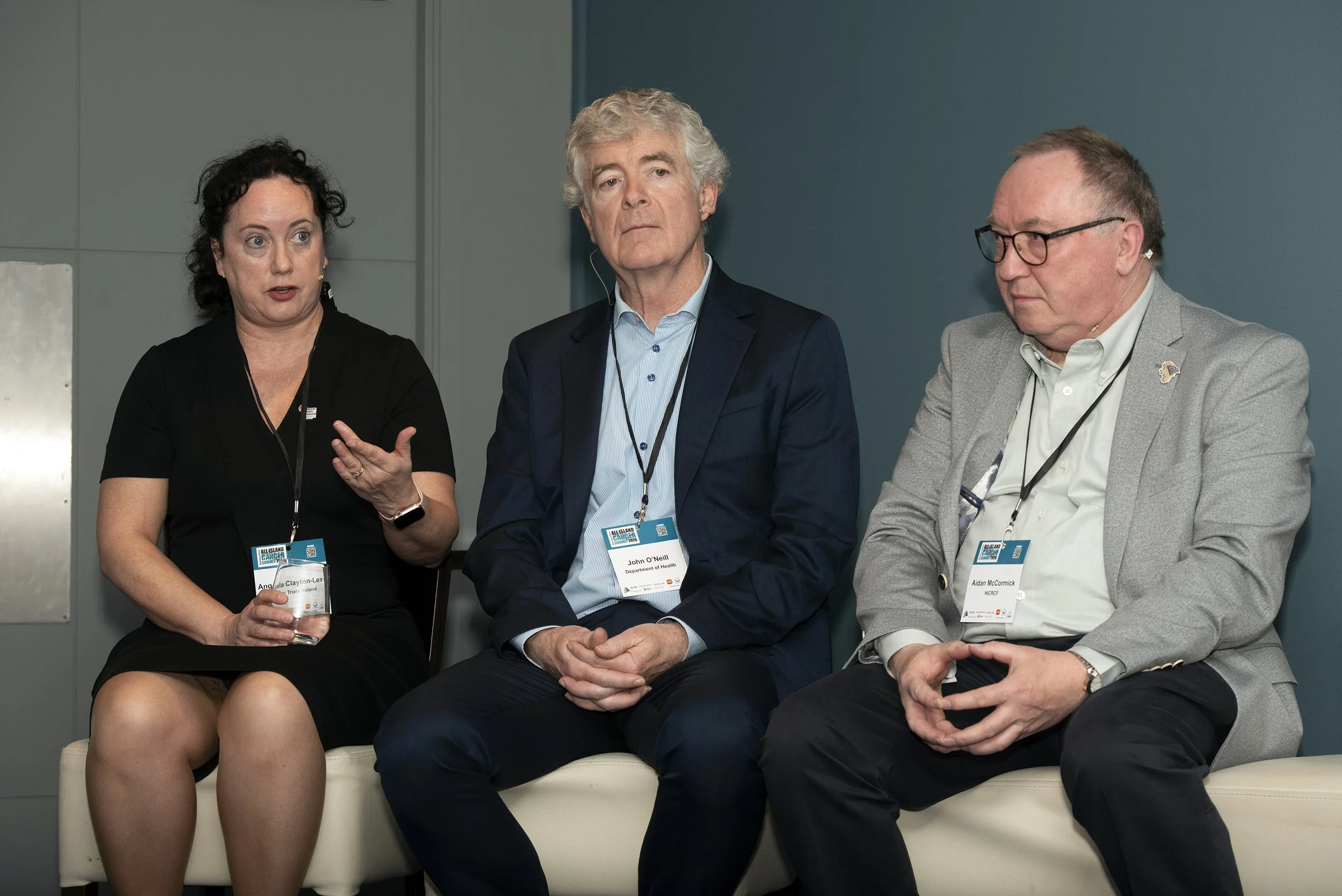
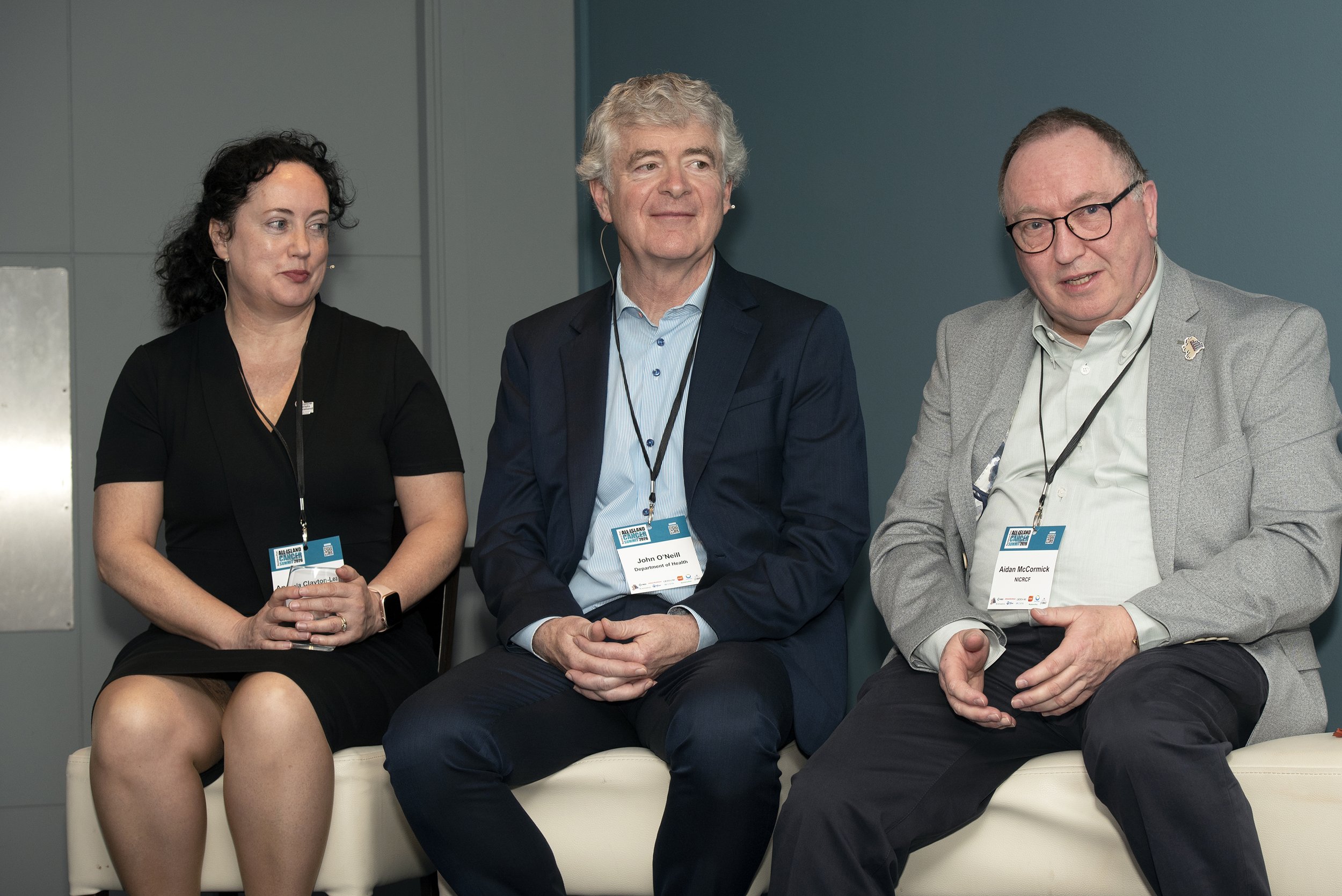
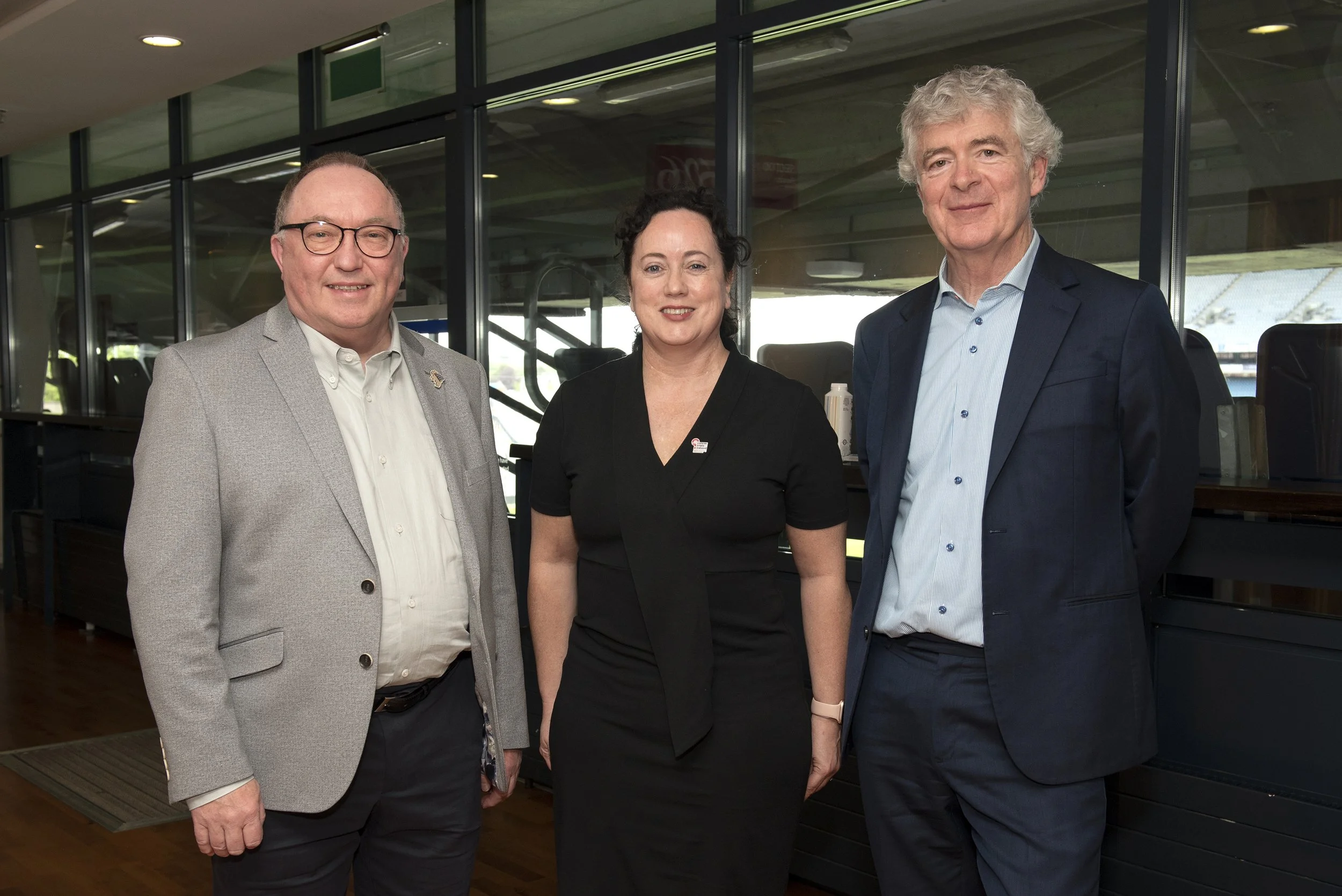
The first panel, Strategy, Policy & System Alignment, featured Angela Clayton-Lea, Aidan McCormick and John O’Neill. The discussion focused on the system-level changes needed to make clinical trials more accessible, transparent and equitable for patients. Key themes included infrastructure, cross-jurisdictional alignment between North and South, and the need to embed patient and public voices at the heart of policy.
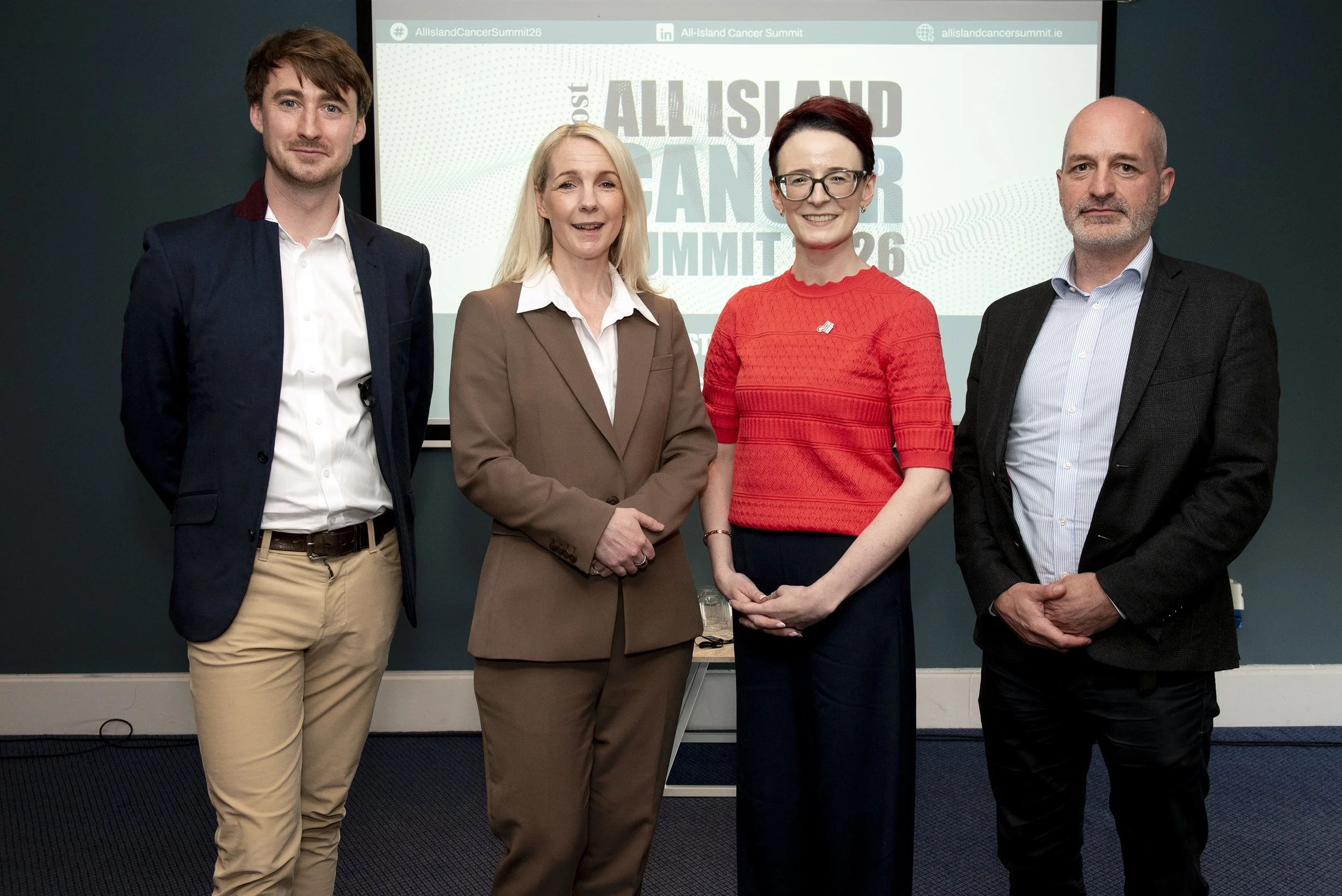
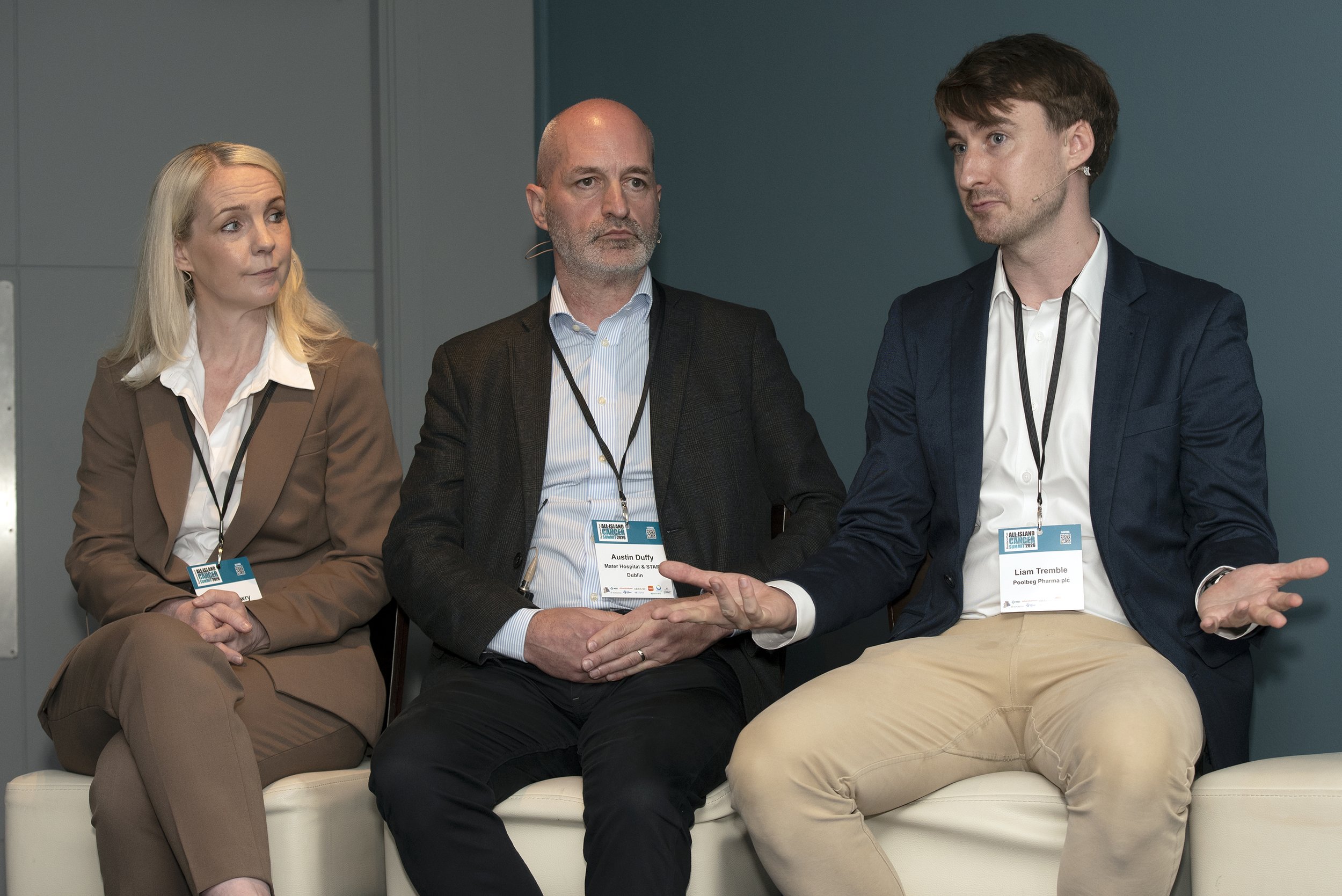
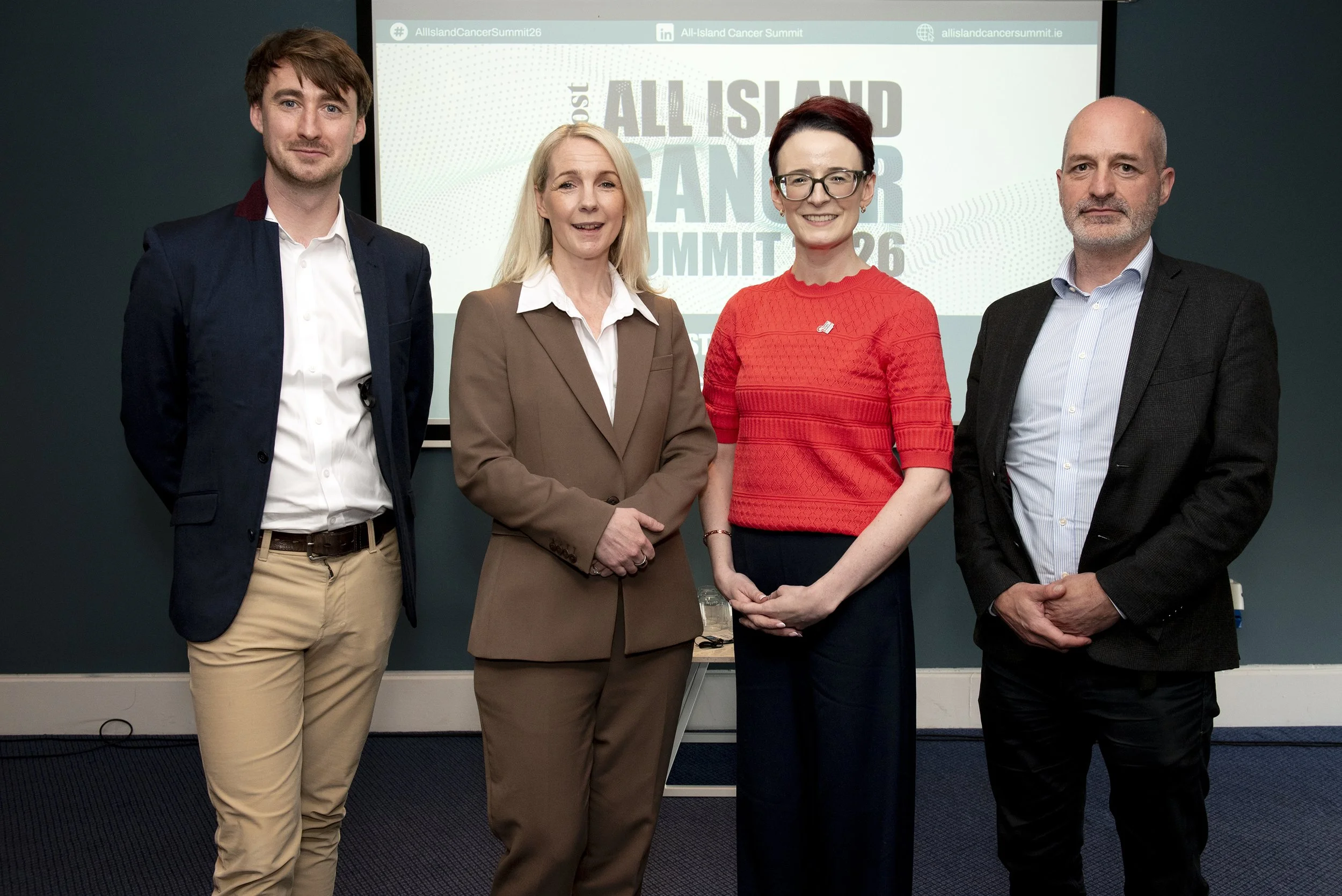
The second panel, Delivering the Future: Innovation, Integration & Skills in Oncology Trials, featured Austin Duffy, Maeve Lowry and Liam Tremble. This discussion looked at the future direction of oncology trials, including decentralised models that bring trials closer to patients, the role of Europe as a collaborative gateway, earlier investment at Phase 2 and how Ireland can become a more attractive destination for clinical research capital.
Across both panels, the message was clear: clinical trials need to work for patients. Achieving this will require ambition, collaboration and a willingness to rethink how the system is built.
Advancing Oncology Innovation in Ireland
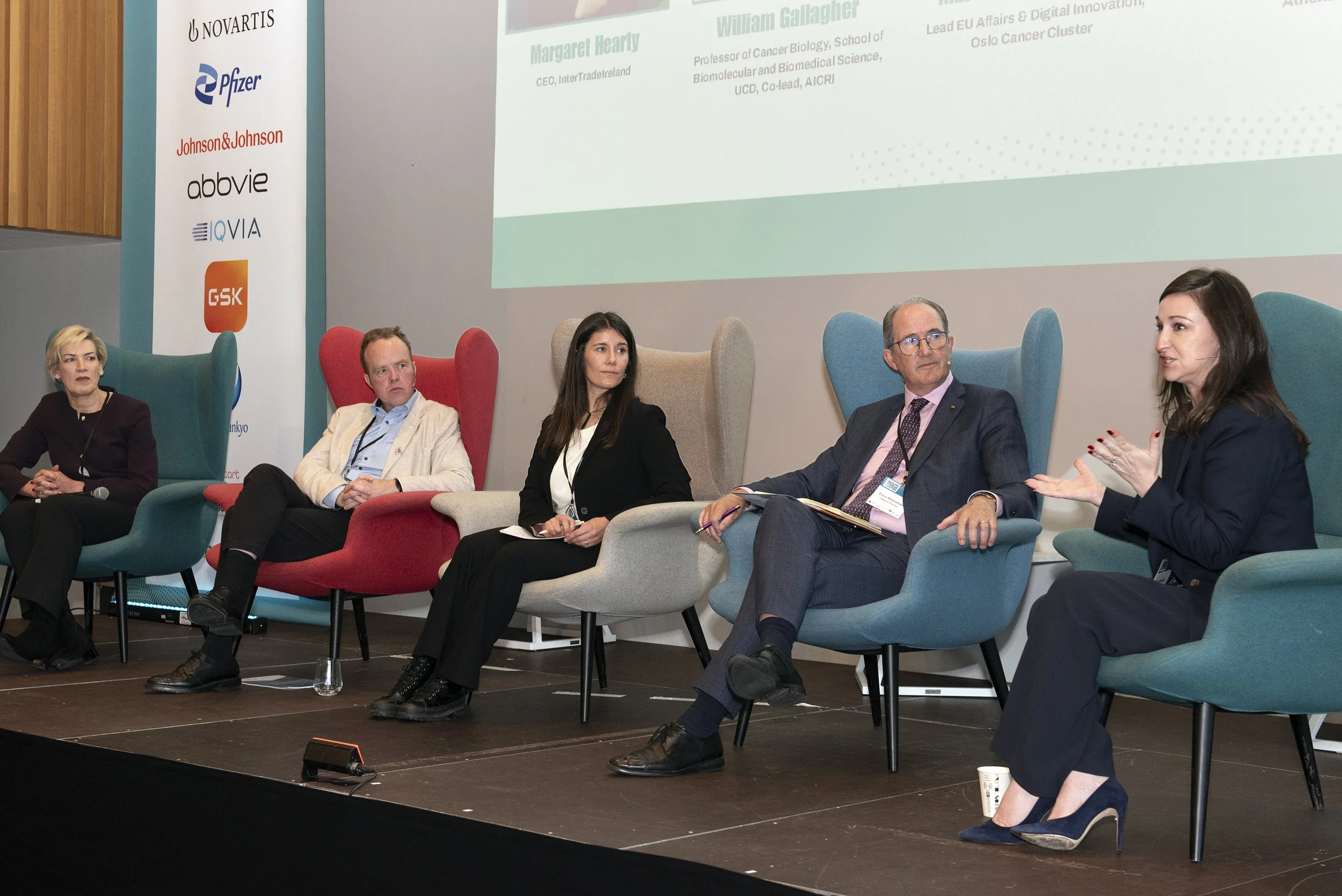
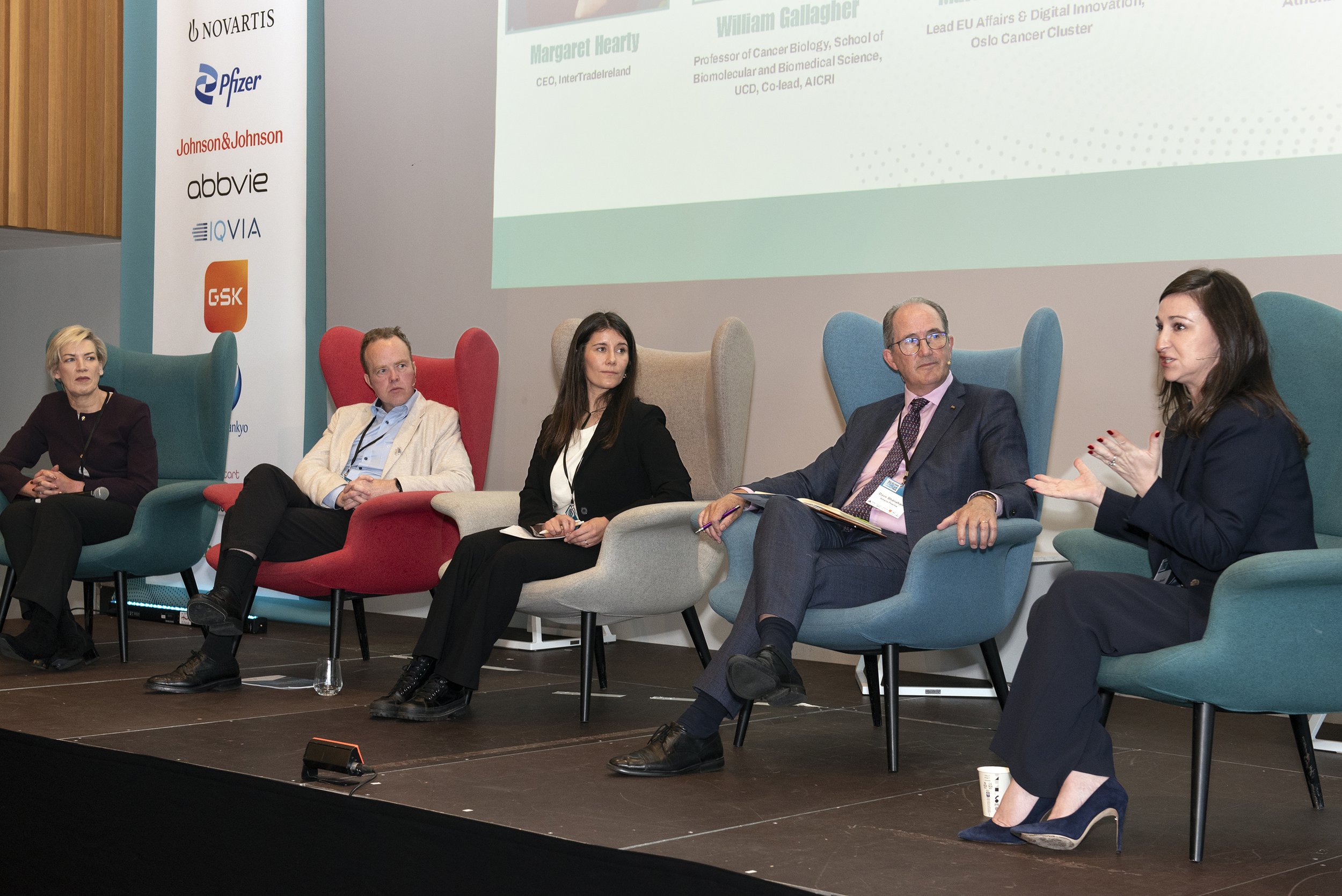
The Summit also featured a panel on Advancing Oncology Innovation in Ireland, which explored how Ireland can better connect talent, infrastructure and investment to accelerate patient access to innovation.
Margaret Hearty, CEO of InterTradeIreland, shared new mapping data showing that Ireland’s oncology sector is worth €46 billion. She made the case for a structured triple helix model, connecting industry, academia and government as the foundation for a competitive all-island oncology innovation cluster.
Professor William Gallagher, Co-Lead of AICRI and Professor of Cancer Biology at University College Dublin, confirmed that seed funding has been secured to develop a cross-border oncology innovation cluster. He highlighted complementary strengths on both sides of the border, including precision oncology in Northern Ireland and big pharma and digital health in the Republic of Ireland.
Marine Jeanmougin, Lead EU Affairs & Digital Innovation at Oslo Cancer Cluster, shared insights from the Norwegian experience, highlighting the importance of neutral platforms that bring the right stakeholders together without a competing agenda. She also outlined how connection to EU programmes can amplify national innovation efforts.
Dana Kendall, General Manager of AbbVie Ireland, and Dave Shanahan, CEO of Athena Pharma, reinforced the need for stronger alignment between industry, academia and government to accelerate access to innovation for patients.
The collective message was that the talent, infrastructure and investment already exist. The priority now is coordinated execution.
Patients as Partners
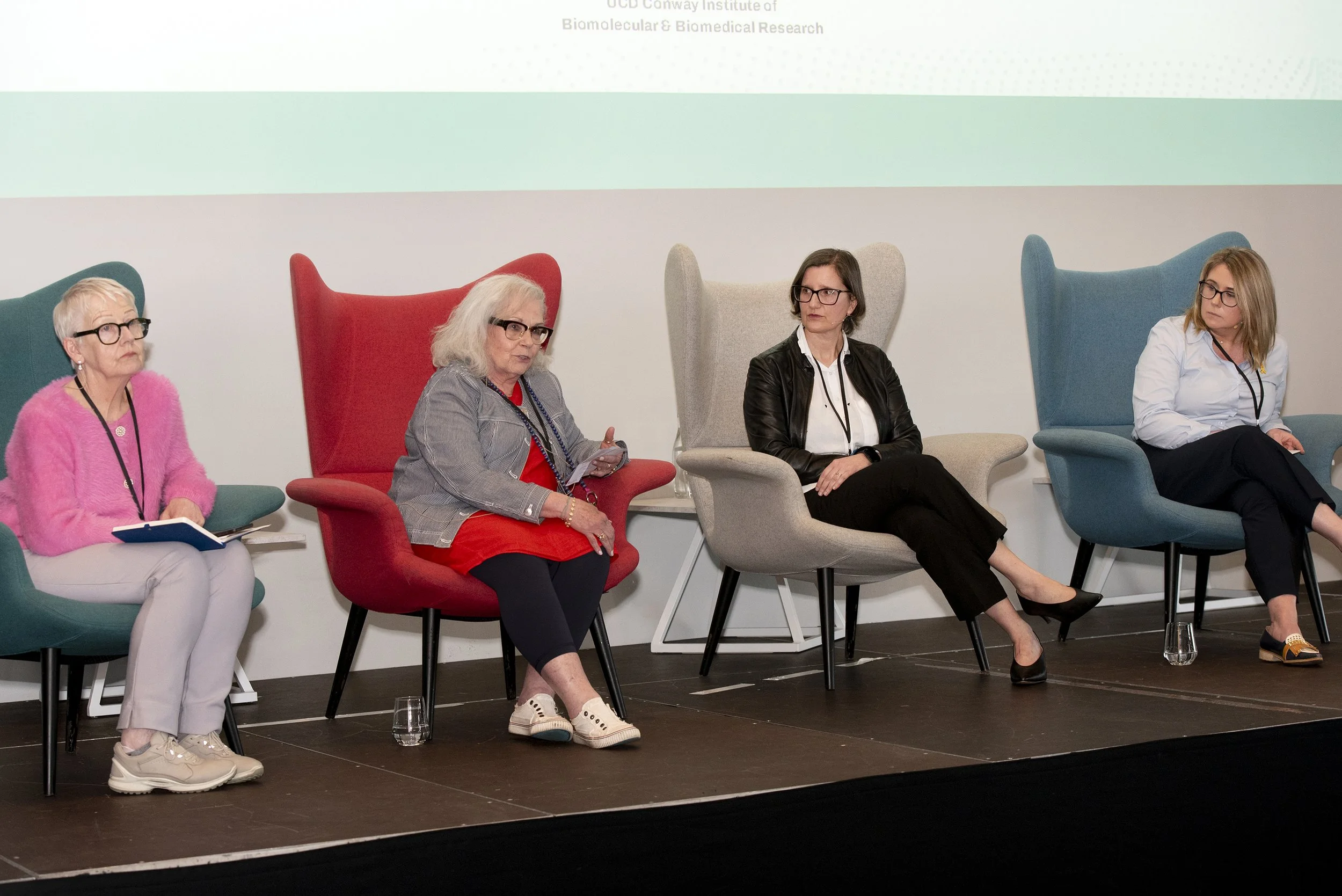
Patient partnership was a recurring theme throughout the Summit, including during a main arena discussion on Patients as Partners, moderated by Miriam Staunton Finlay.
The panel brought together voices from patient advocacy, clinical care, research and childhood cancer advocacy, including Jacqueline Daly, Dr Margaret Barton-Burke, Maria Prencipe, Childhood Cancer Ireland, St James’s Hospital Dublin and AICRI.
Key messages from the discussion included the need to involve patients from the beginning, embed equality, inclusion and diversity, focus on quality of life and ensure equitable access to innovation and care.
The panel also highlighted the importance of collaboration between adult, adolescent and young adult, and childhood cancer patient organisations. Education was identified as a priority, both for staff and researchers working with patient partners, and for patients and the public in relation to self-advocacy.
Working Together for Better Cancer Outcomes
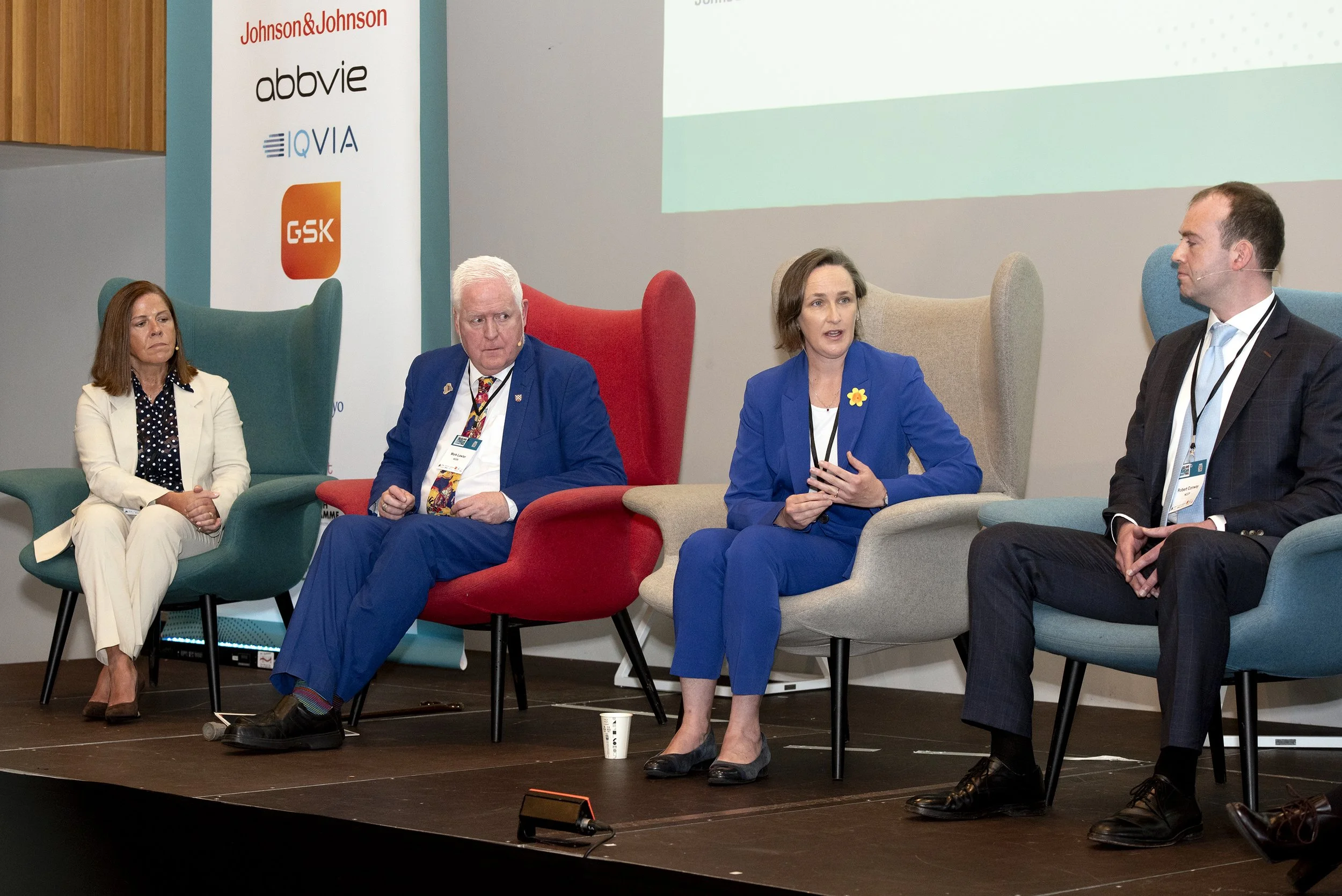
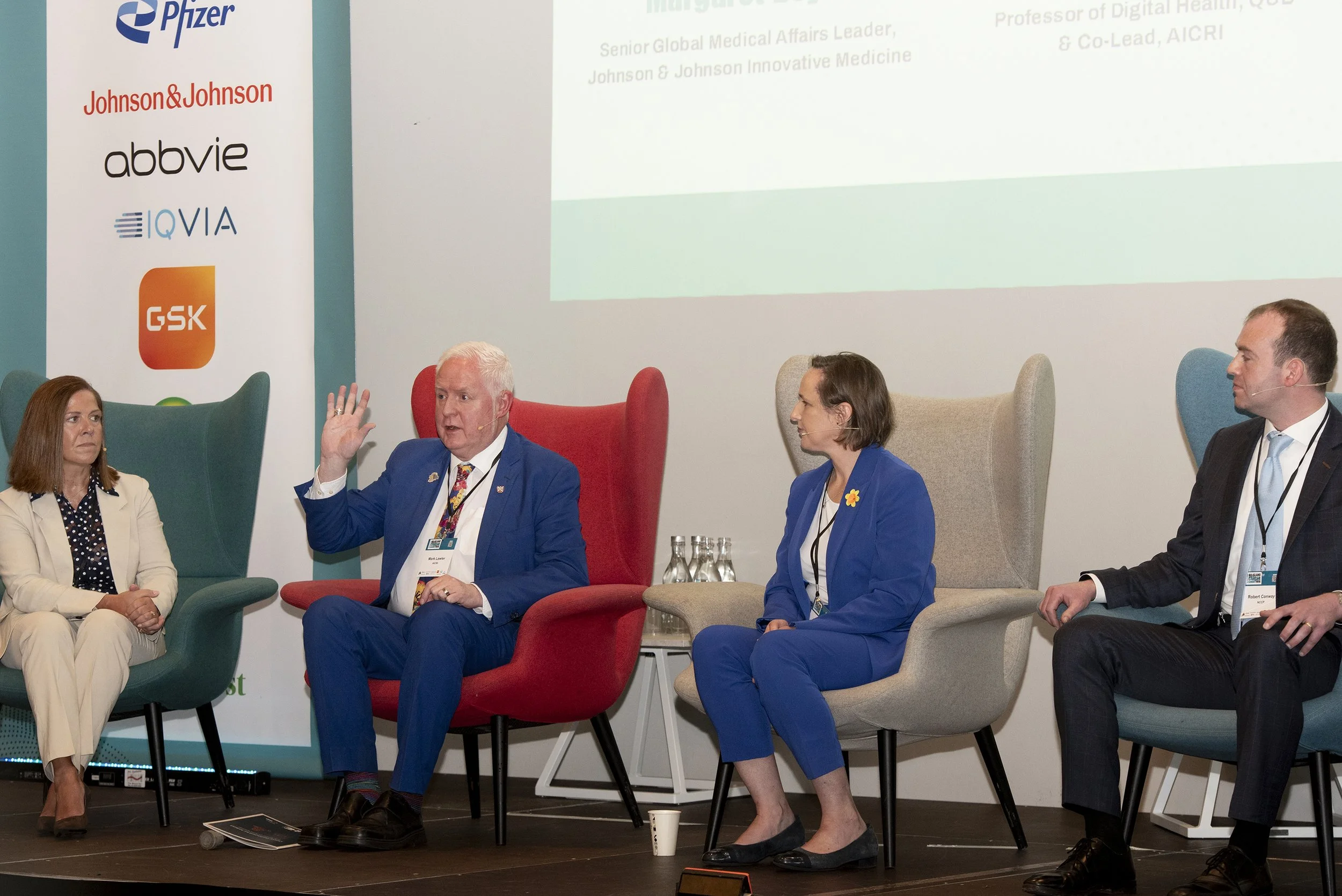
The panel Working Together for Better Cancer Outcomes: Lessons Learned and Future Planning brought together perspectives from research, clinical care, public health, advocacy and industry.
Professor Mark Lawler, Professor of Digital Health at Queen’s University Belfast and Co-Lead of AICRI, emphasised the importance of evidence-based decision-making in cancer policy and planning.
Amy Nolan, Director of Clinical Affairs at the Irish Cancer Society, highlighted the strength of Ireland’s clinical workforce and the need to ensure that skilled consultants, clinicians and nurses are properly supported and resourced.
Robert Conway, Consultant in Public Health Medicine in Cancer Intelligence at the HSE National Cancer Control Programme, called for a new national cancer strategy that is practical, evidence-based and supported by mechanisms to direct resources towards high-value interventions.
Margaret Doyle, Senior Global Medical Affairs Leader at Johnson & Johnson Innovative Medicine, spoke about the importance of building capability in clinical trials, enabling earlier access to innovative therapies and connecting Ireland into global research networks.
Together, the discussion underlined the importance of evidence, investment, workforce support, system alignment and international collaboration in improving cancer outcomes.
Looking Ahead
The All-Island Cancer Summit 2026 highlighted the strength of the cancer community across the island of Ireland. The Summit made clear that progress will depend on sustained collaboration across sectors and across jurisdictions. By working together, Ireland can build a more connected, equitable and innovative cancer ecosystem that delivers meaningful benefits for patients and families.
A sincere thank you to The Business Post and all speakers, panelists, moderators, facilitators, sponsors, partners and attendees whose insights, energy and support made the Summit possible.
