Ireland takes landmark step to protect cancer survivors from financial discrimination
The 8th of July 2026 marks a historic milestone for those with lived experience of cancer in Ireland as the Insurance (Disregard of Certain Medical History and Miscellaneous Provisions) Bill 2026 enters Irish law.
More commonly known across Europe as the “Right to Be Forgotten”, this legislation now means that cancer survivors who are five years post successful treatment cannot be discriminated against financially based on a previous cancer diagnosis when accessing mortgage protection insurance.
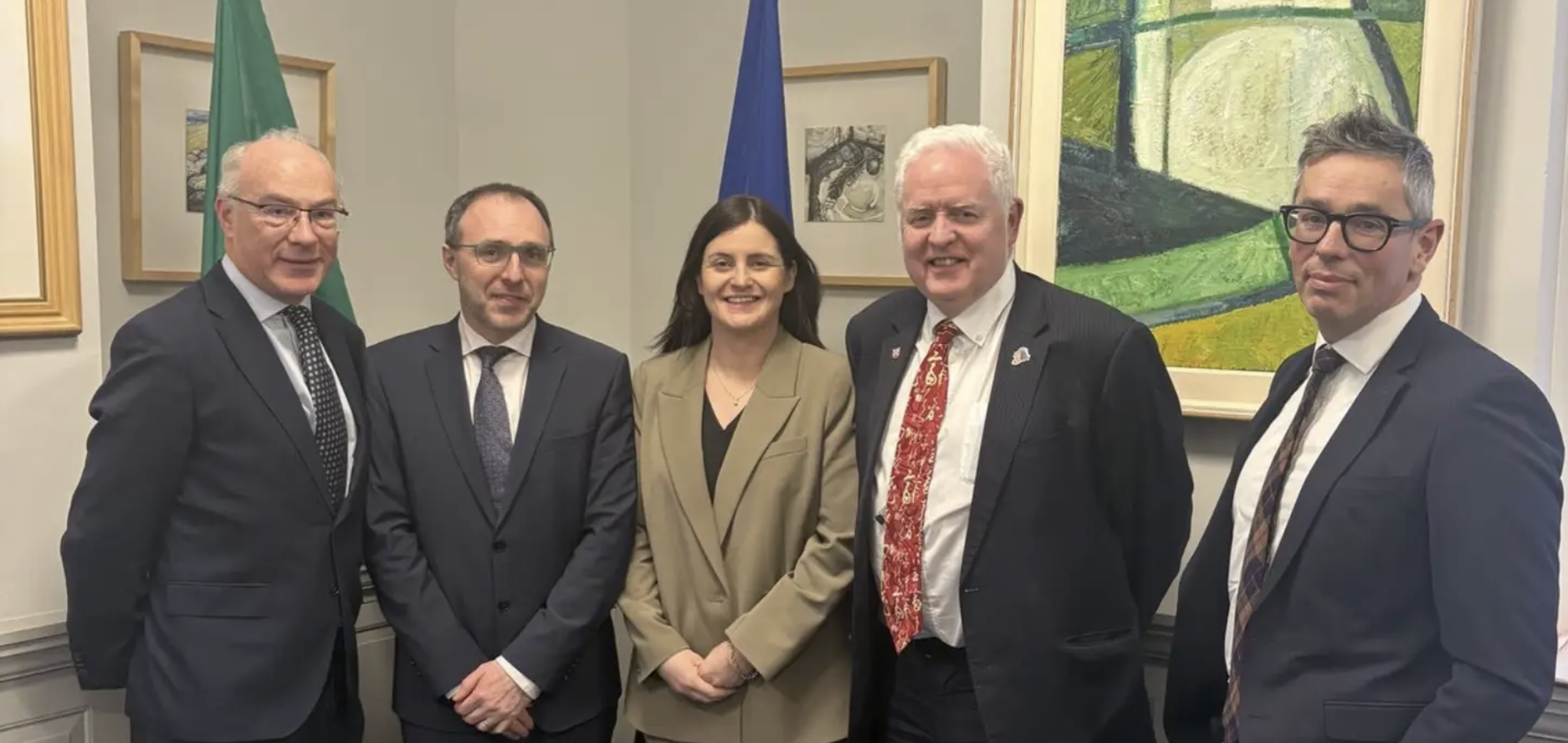
Pictured L-R are: Michael J McGrath, Assistant Secretary General, Financial Services Division at the Department of Finance; Robert Troy TD, Minister of State at the Department of Finance; Catherine Ardagh TD is the Minister of State at the Department of Justice, Home Affairs and Migration; Mark Lawler, Professor of Digital Health at Queen’s University Belfast at Queen’s University Belfast; and Steve Dempsey, Director of Communications, Advocacy and Community Experience, Irish Cancer Society.
The landmark change follows years of evidence-based advocacy, research, and collaboration to address the financial inequalities faced by those with lived experience of cancer. For many people affected by cancer, the challenges continued after treatment through financial barriers and increased costs.
A key contributor to this progress has been Professor Mark Lawler, Professor of Digital Health at Queen’s University Belfast and Co-Lead of the All-Island Cancer Research Institute (AICRI), who has worked tirelessly over the last 5 years developing and presenting the evidence needed to drive legislative change.
Working alongside the Irish Cancer Society, patient advocates, and international partners, including the European Initiative to End Discrimination against Cancer Survivors, Professor Lawler highlighted the need for a fairer approach that recognises cancer survivors should not face lifelong financial consequences because of their medical history.
Welcoming the legislation, Professor Lawler said:
“This is the proudest day in my professional career. The ‘Right to Be Forgotten’ is not about compassion; it is about generating quality evidence and acting on that evidence. What we have achieved is a significant win for cancer survivors in Ireland.”
Ciaran Briscoe, AICRI Director of Development and CEO of NECRET, added:
"One of the great privileges of my role with AICRI and NECRET has been working with Professor Mark Lawler and so many committed partners on the Right to Be Forgotten. For too long, cancer survivors faced a second injustice, experiencing financial discrimination years after successfully completing treatment. This legislation is the result of researchers, patient advocates, policymakers and industry working together to translate evidence into lasting public policy. Above all, it is about ensuring that a previous cancer diagnosis no longer defines a person's financial future."
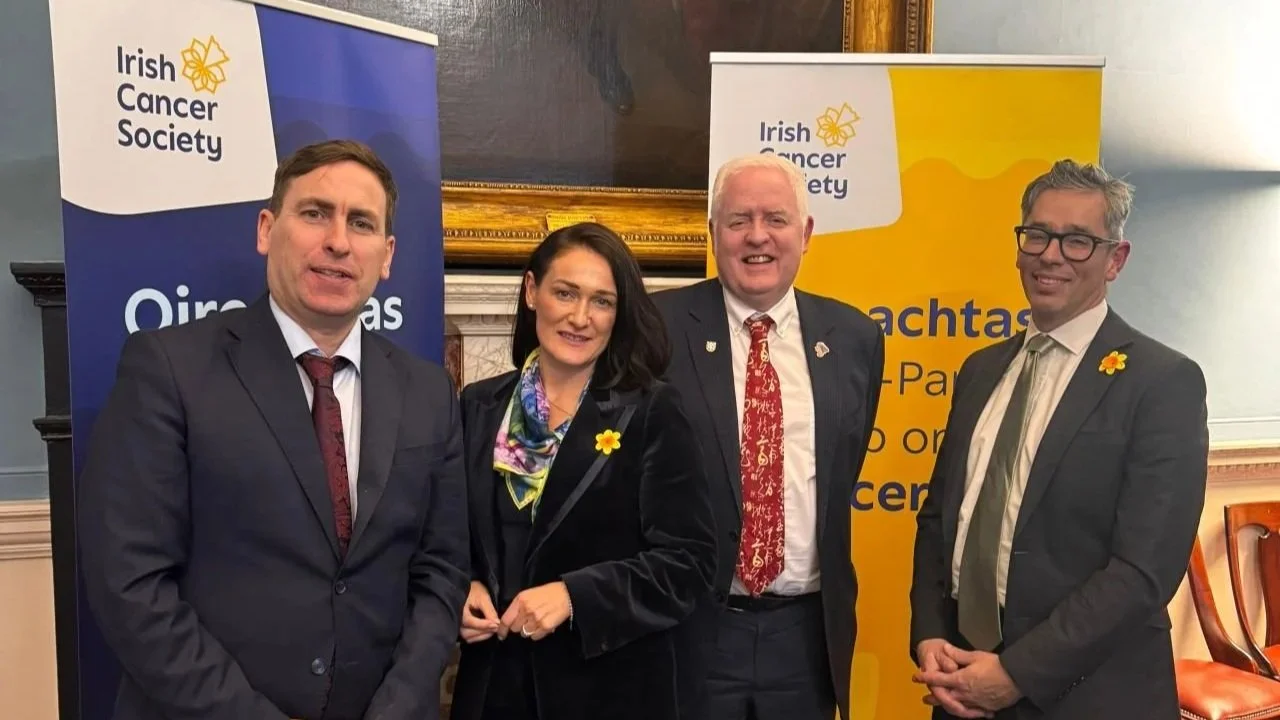
Pictured L-R are: Ciaran Biscoe, AICRI Director of Development and CEO of NECRET; Deputy Erin McGreehan TD, Chair of the Oireachtas Committee on Further & Higher Education, Research, Innovation and Science. Spokesperson on Research and Innovation; Professor Mark Lawler, Professor of Digital Health at Queen’s University Belfast; Steve Dempsey, Director of Communications, Advocacy and Community Experience
The Irish Cancer Society’s Right to be Forgotten campaign, launched in 2021, played a central role in highlighting the financial discrimination faced by those with lived experience of cancer and advocating for change.
This achievement demonstrates the impact that can be achieved when research, lived experience, patient advocacy, and policy leadership come together.
Ireland’s introduction of this legislation represents a significant step forward for cancer equality and sets an important precedent across Europe. It ensures that overcoming cancer no longer comes with a lifelong financial penalty.
