VOICE-Ireland 2026
A Fully Immersive Scientific Training Programme for Cancer Patient Advocates
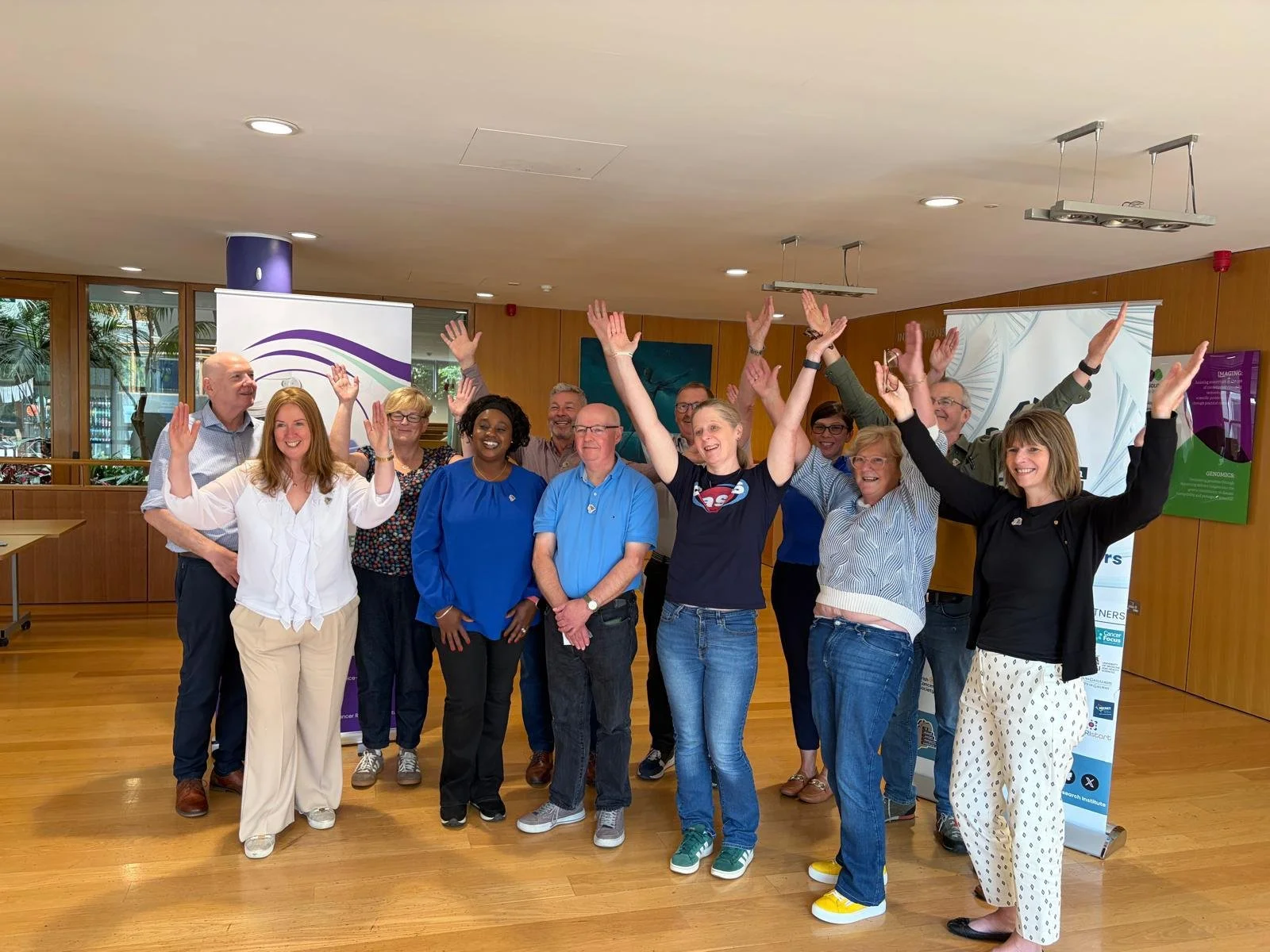
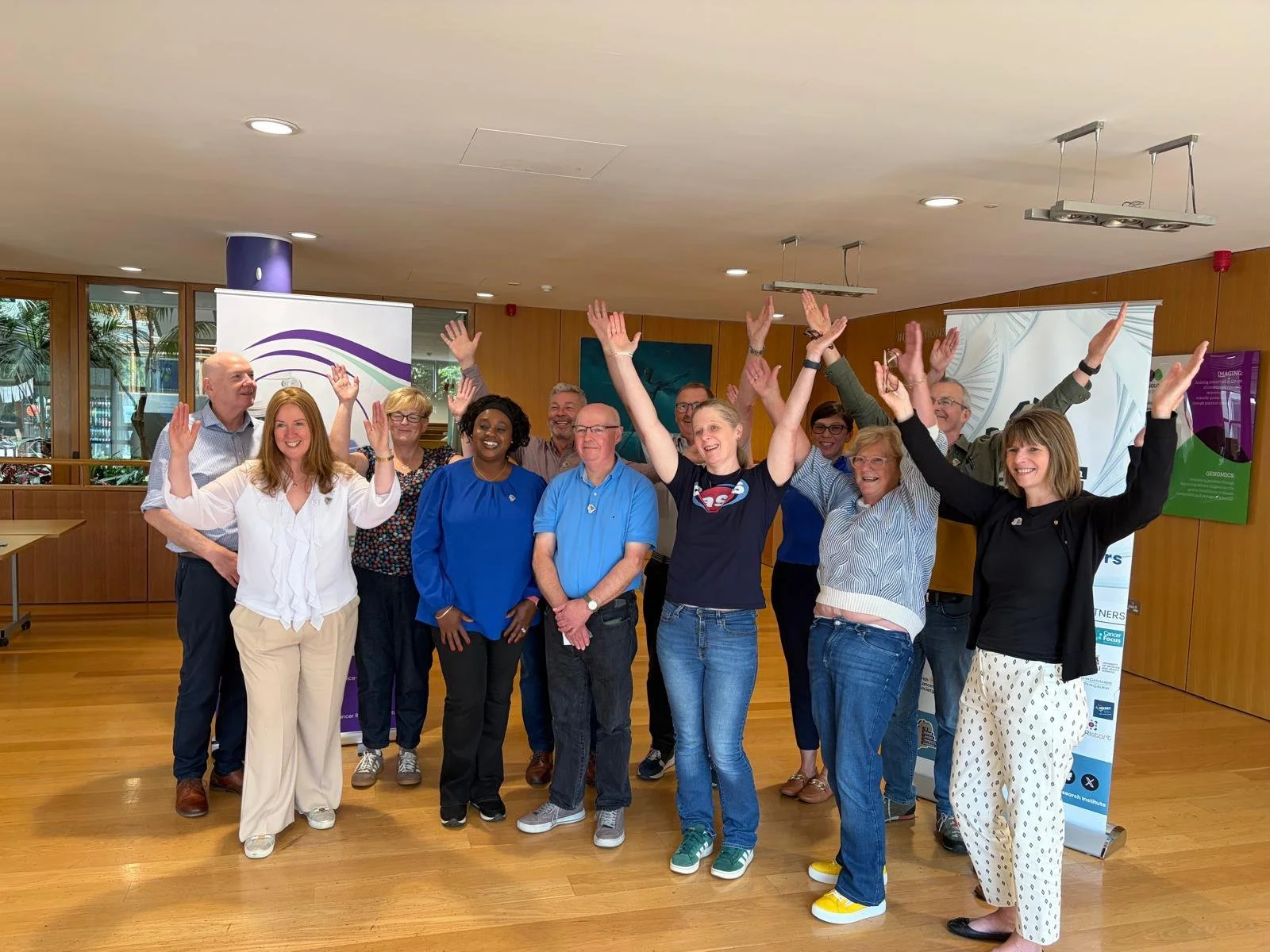
A week of science, learning, and connecting
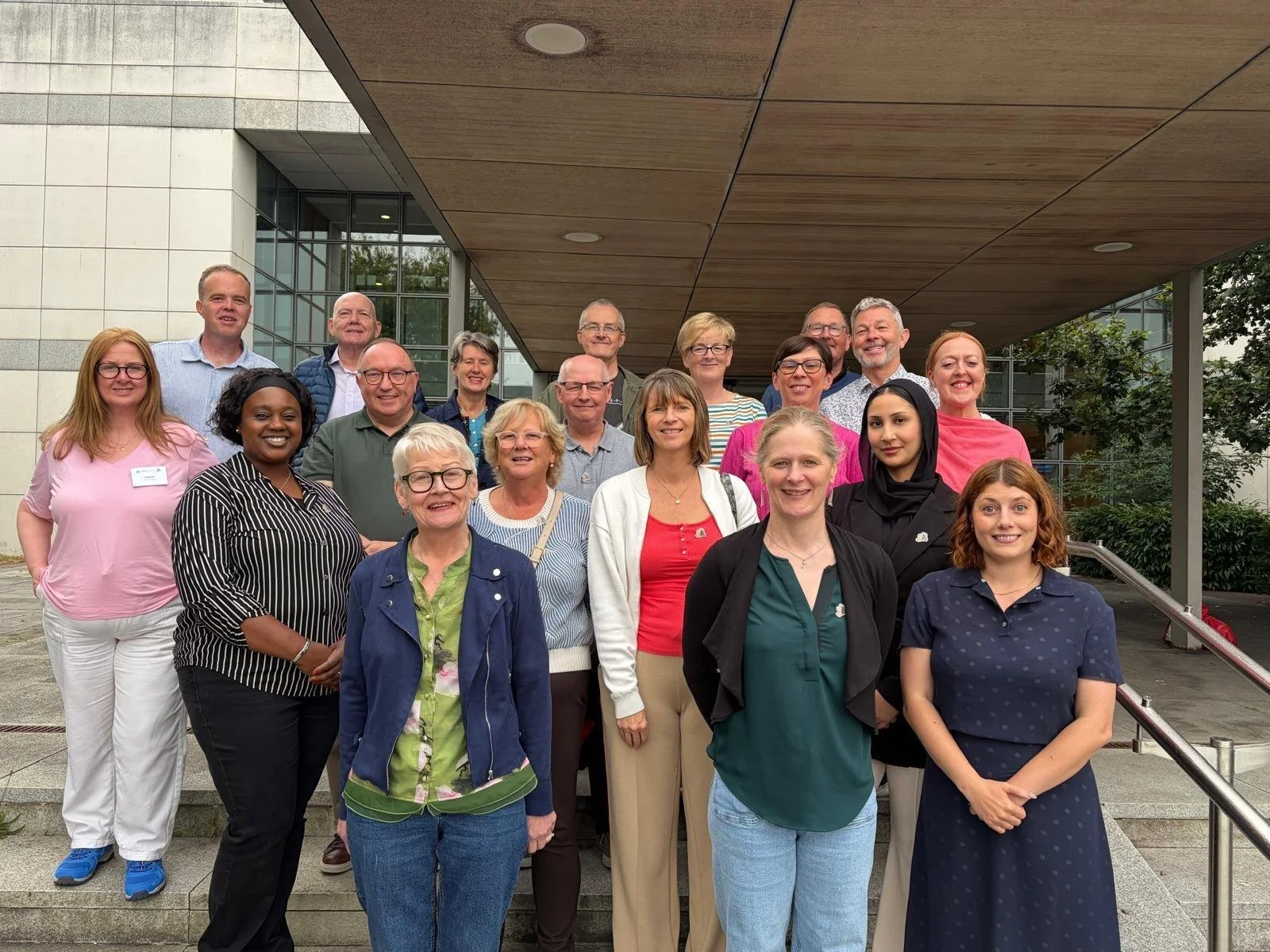
Throughout the week, participants took part in a varied programme designed to introduce them to the science, systems and people behind cancer research, while giving them opportunities to experience research for themselves.
Lecture sessions
The lecture programme covered a broad range of topics, beginning with an overview of the cancer research infrastructure, systems, policies and pathways across the island of Ireland and how these can affect patients. Participants were then introduced to the fundamentals of cancer biology, including cells, DNA, RNA, proteins, mutations, oncogenes and tumour suppressor genes, as well as how cells grow, specialise and die.
The sessions also explored how cancer is studied and treated, covering neoplasia, mathematical and computational modelling, clinical genetics and early-onset cancer, radiotherapy and non-human model systems. Researchers also shared insights from specific areas of cancer research, including prostate, colorectal and oesophageal cancer.
Alongside the science, the programme explored the role of patients in research. Sessions examined the patient voice, the role of patient advocates in research and publishing, how to understand scientific papers and the tools needed to help close gaps between research and patients. Participants also explored how science and data can help drive progress in the fight against cancer.
Hands-on laboratory sessions
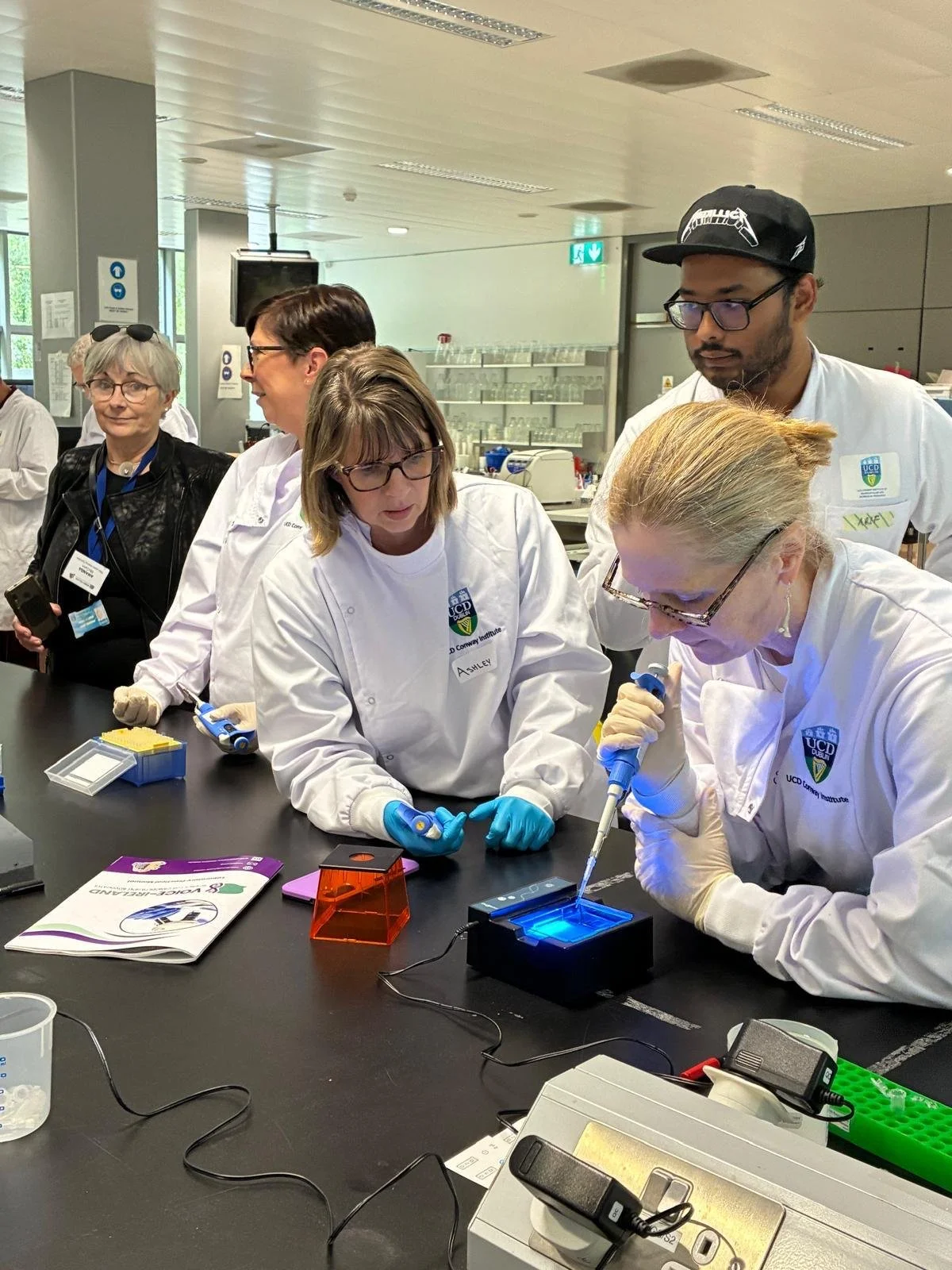
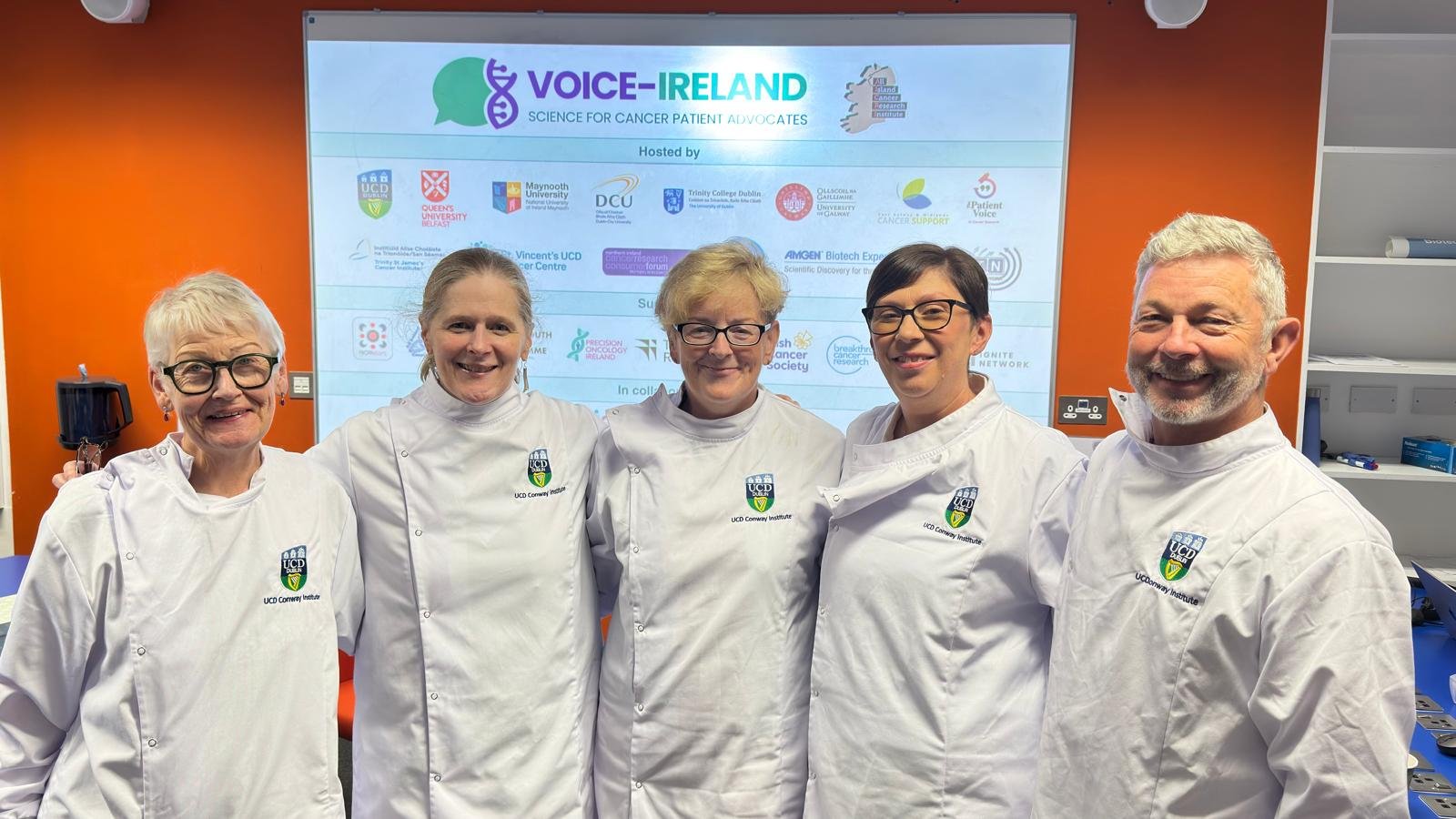
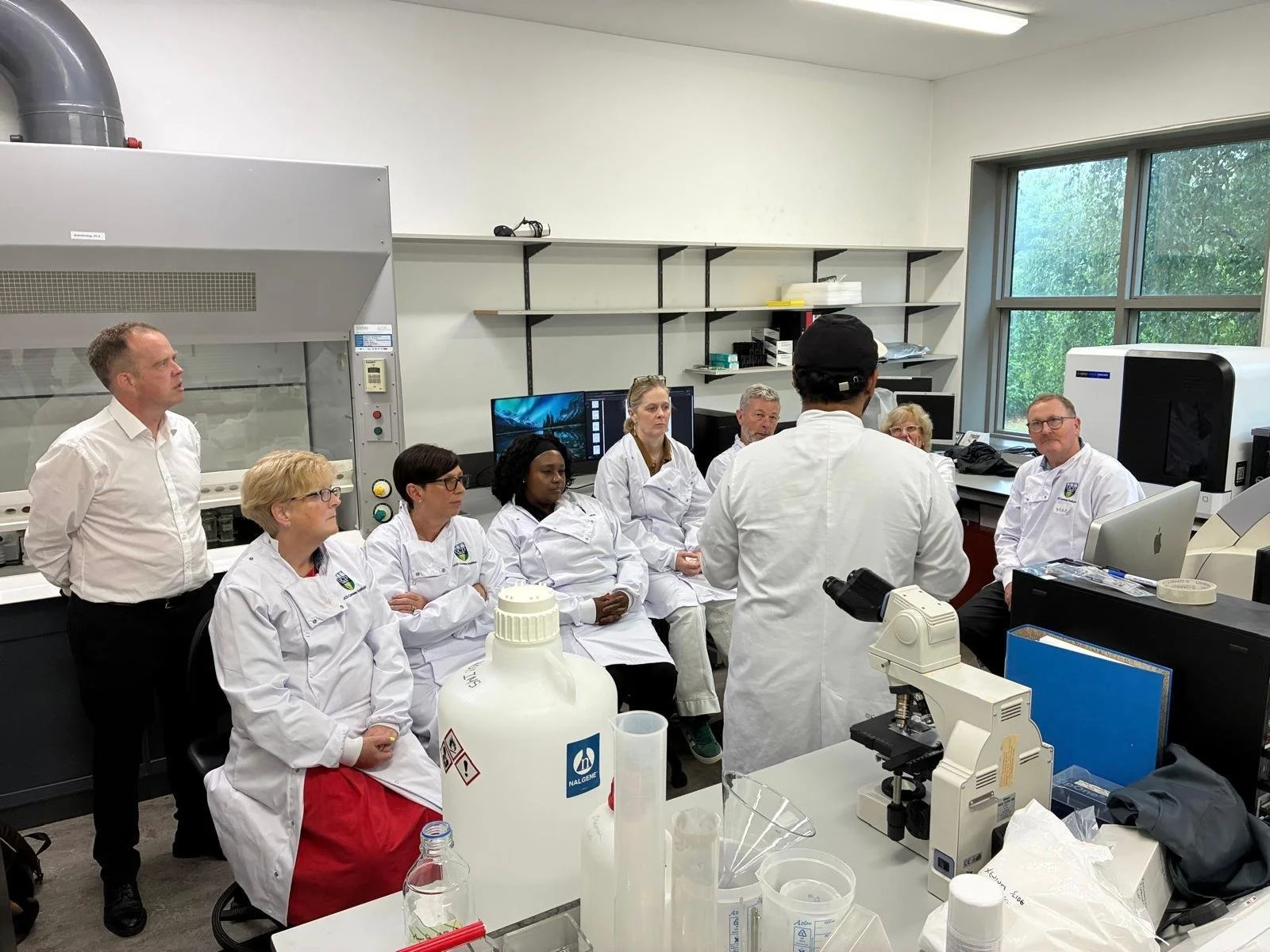
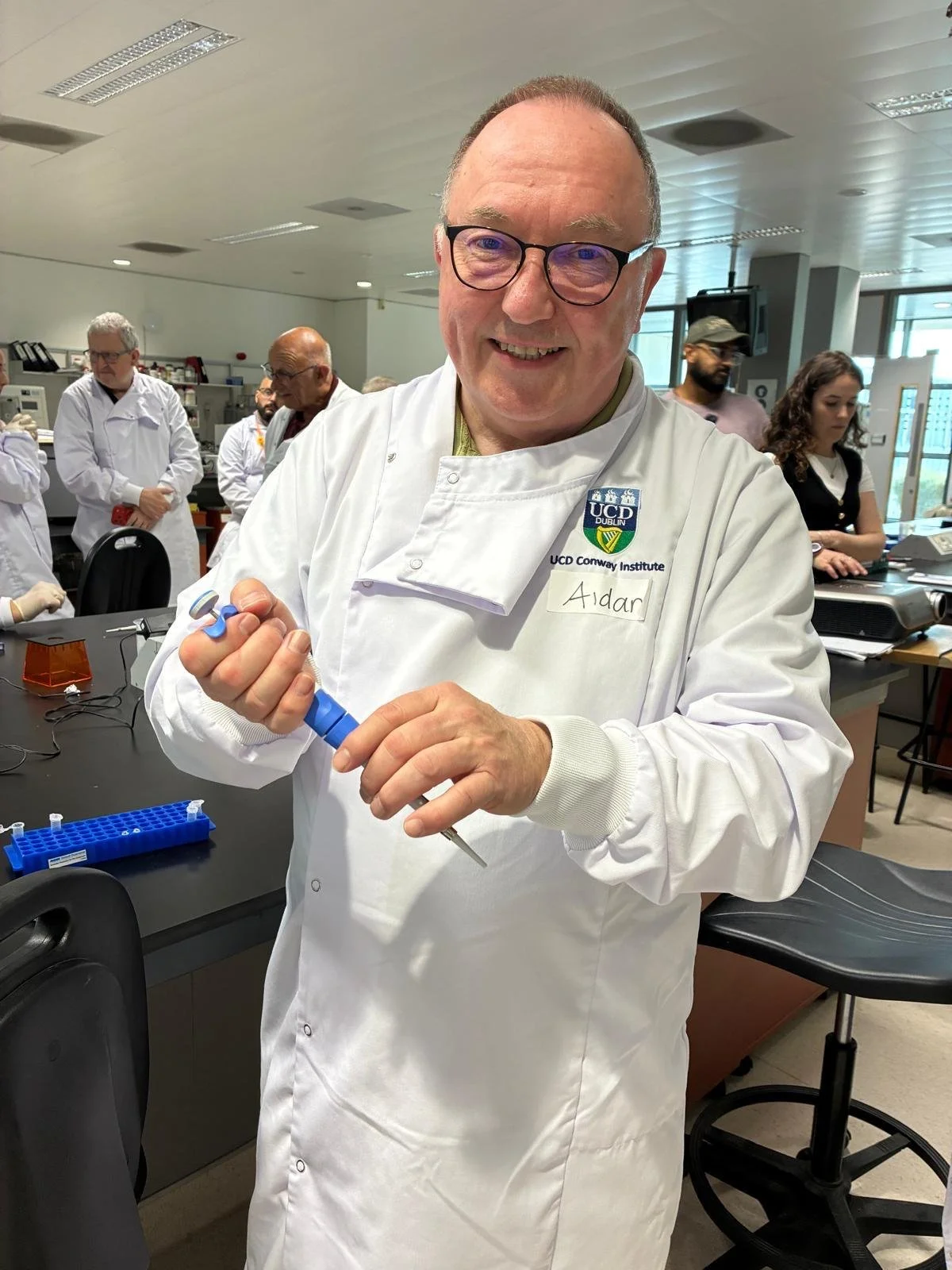
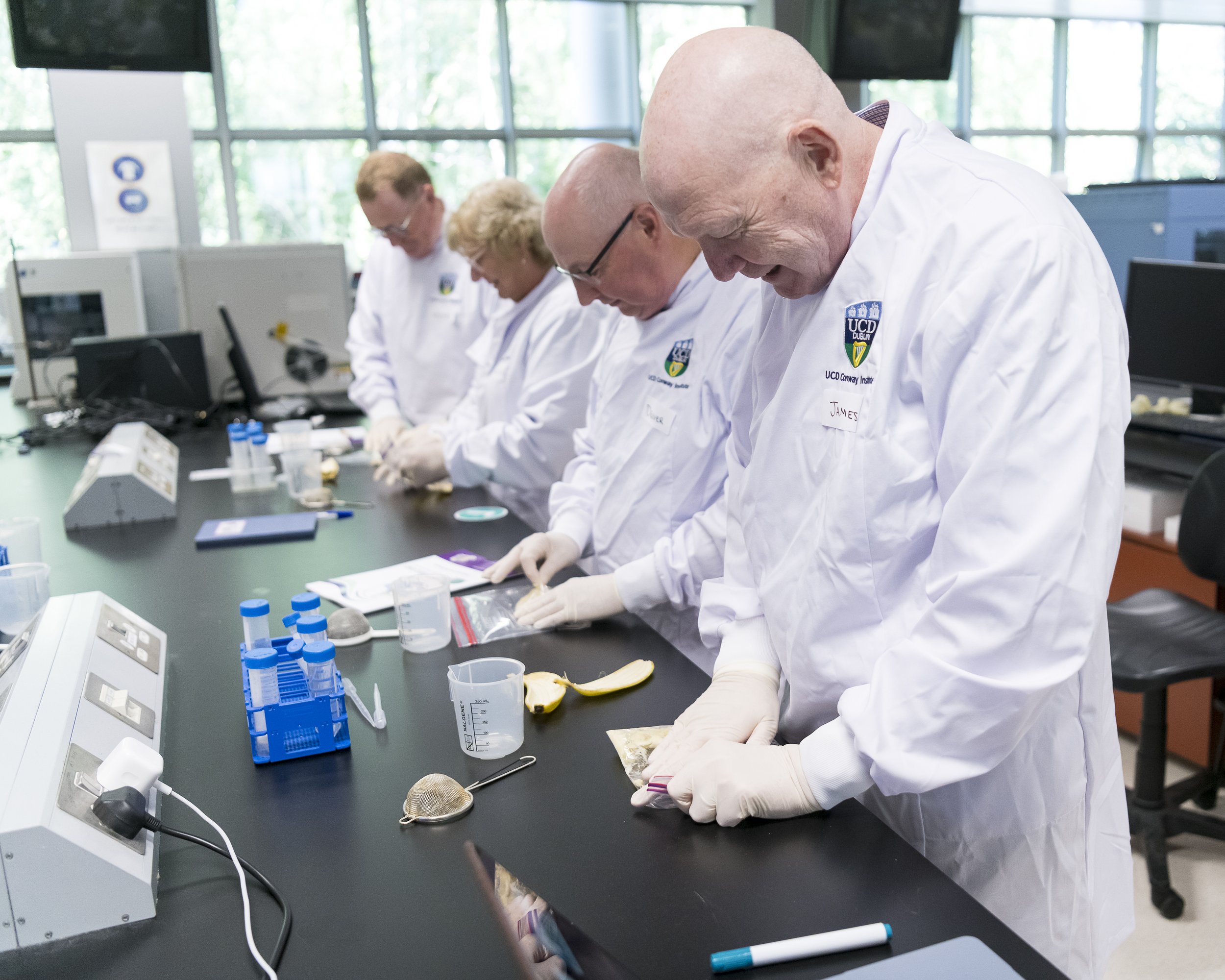
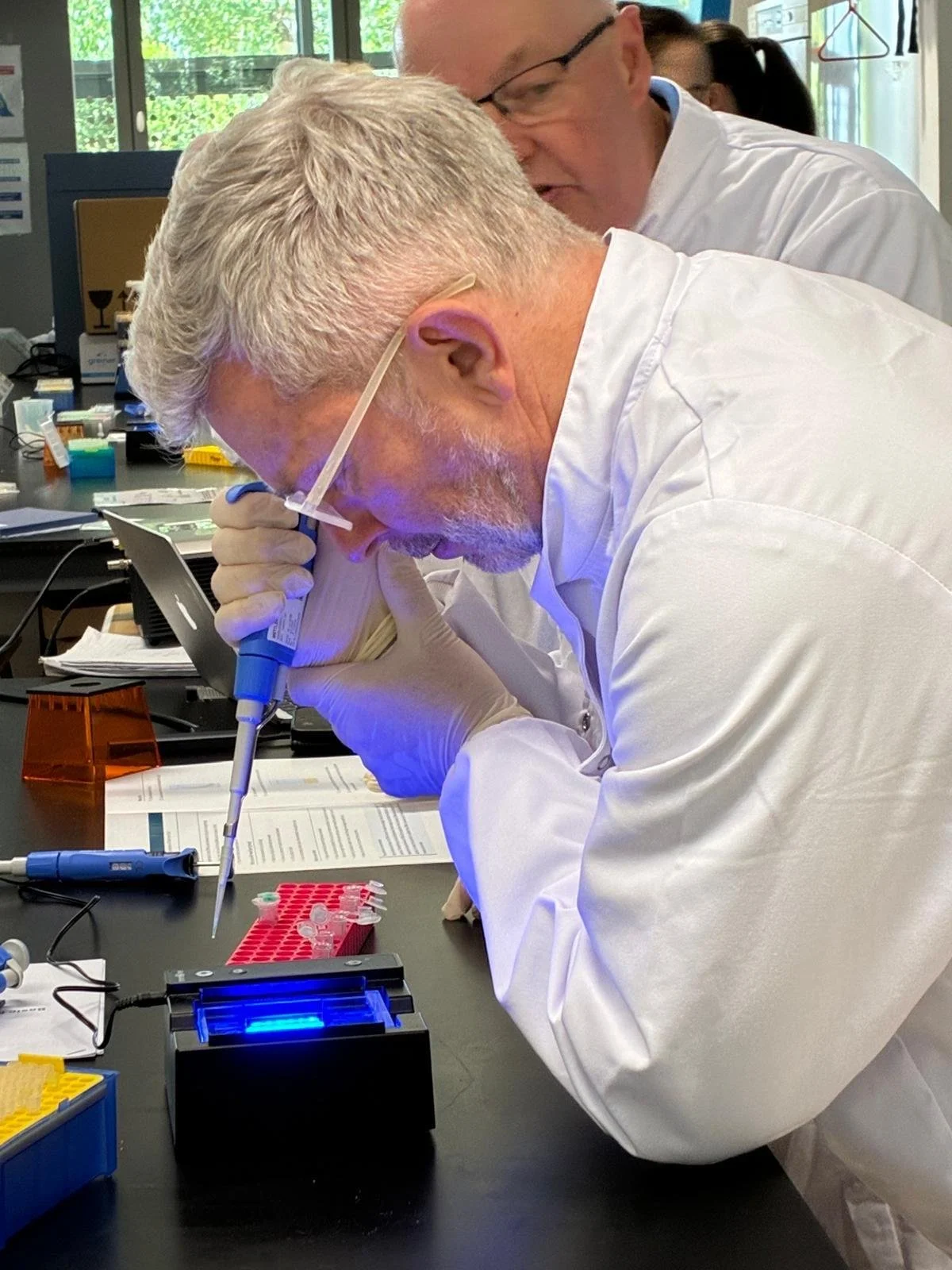
The laboratory programme gave participants the opportunity to put some of the concepts from the lectures into practice. Across seven practical sessions, they were introduced to a range of techniques used in cancer research.
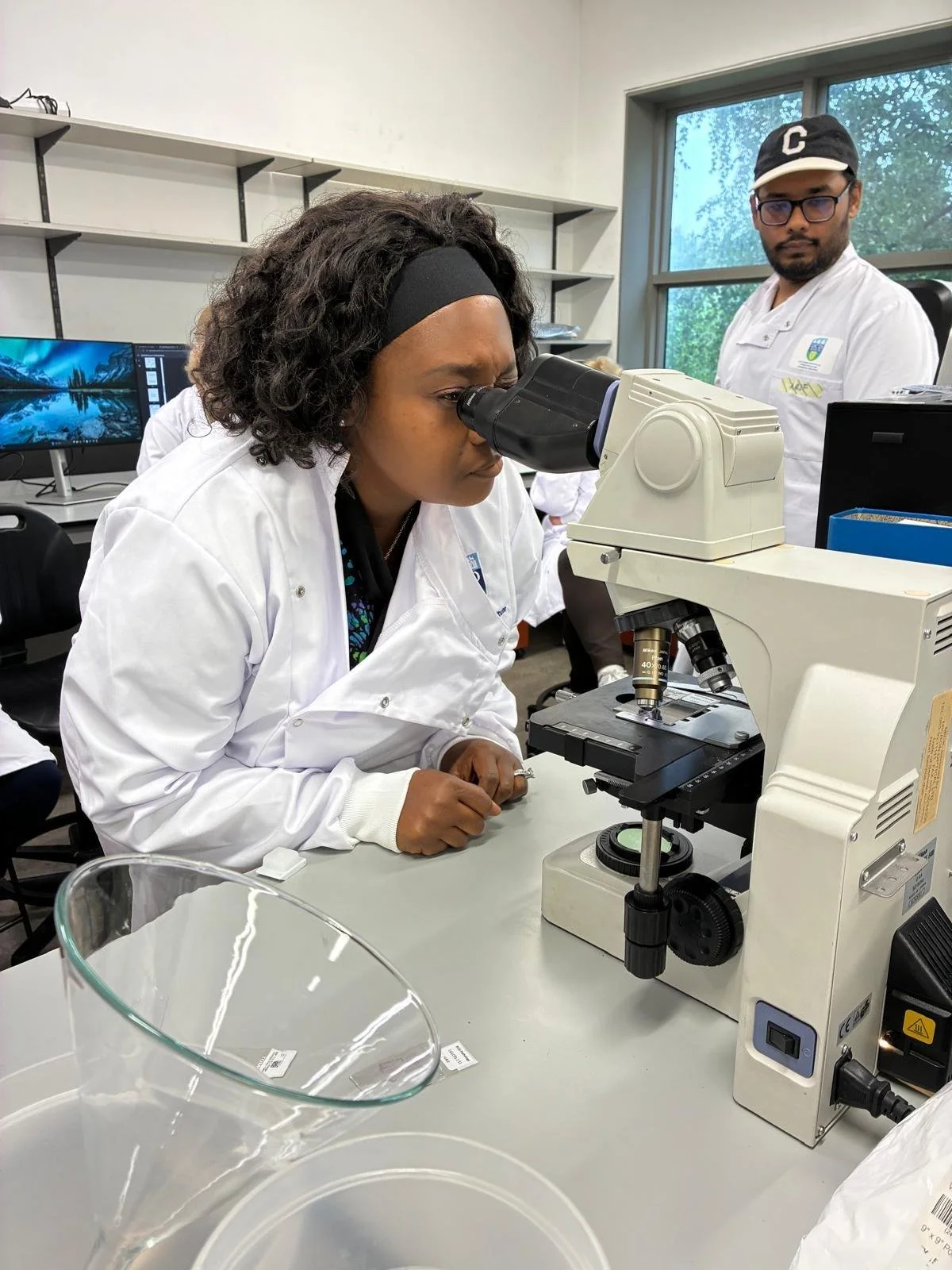
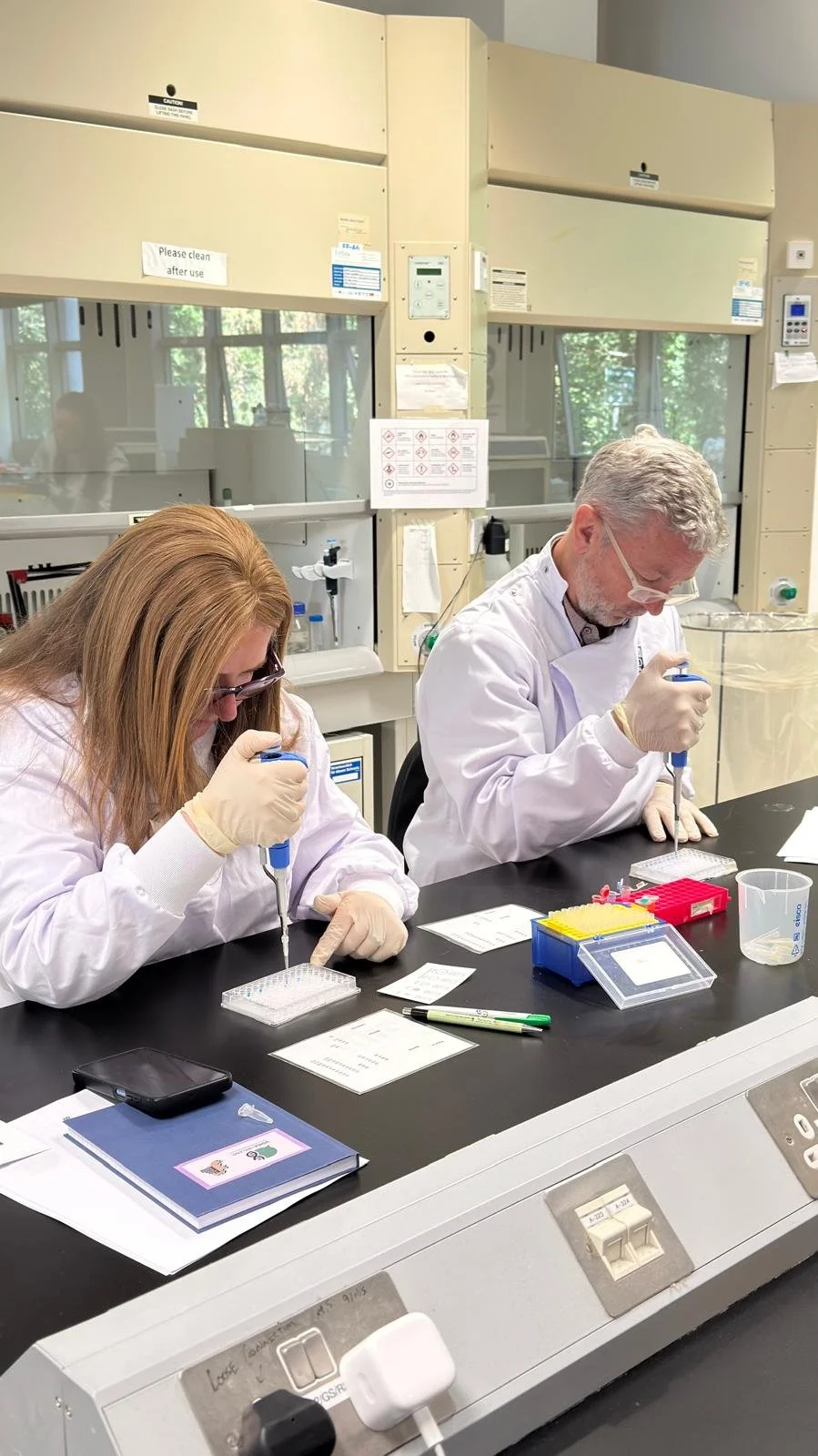
Activities included DNA extraction, micropipetting and DNA gel electrophoresis, followed by practical work involving cancer cell observation and basic cell culture techniques. Participants also experienced confocal microscopy to examine cancer cells and used PCR to investigate oncogenes.
The programme also introduced participants to newer approaches in cancer research through a 3D bioprinting laboratory session, as well as tumour tissue biomarkers and research pathology, including a demonstration of multiplex immunohistochemistry microscopy. Together, the sessions offered participants a hands-on insight into how cancer research is carried out in the laboratory, from molecular techniques through to the analysis of tumour tissue.
Visiting Trinity St James’s
As part of the programme, participants visited the Trinity St James’s Cancer Institute, where they learned about liquid biopsy research through the All-Ireland Liquid Biopsy (CLuB) Consortium.
The session provided an opportunity to see how research can move beyond the laboratory and towards potential applications for patients, while learning more about the use of liquid biopsies in cancer research and the work being carried out through the all-island consortium.
Throwing Shapes
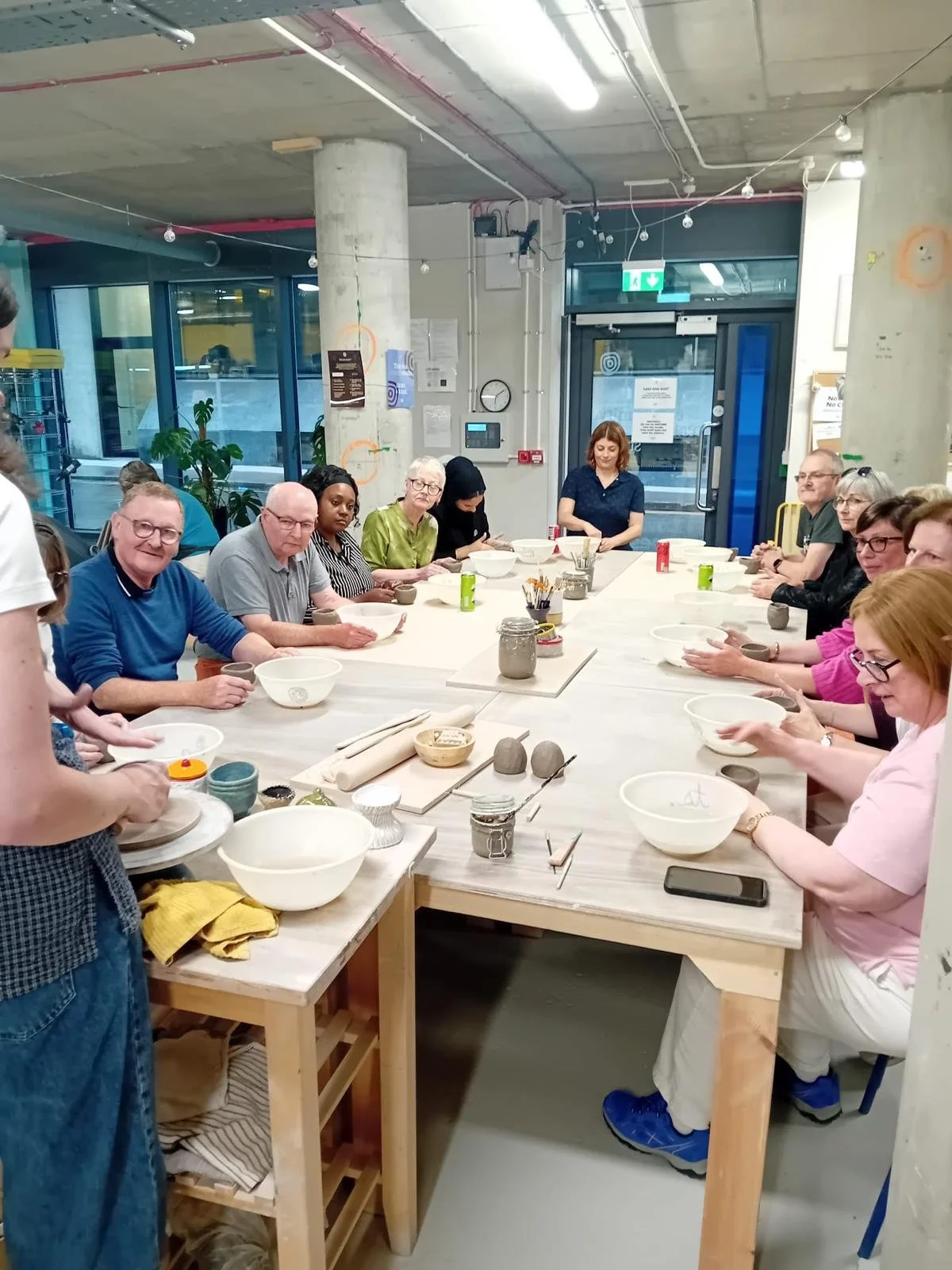
The programme also made space for creativity and connection through a pottery session at Throwing Shapes. Away from the lecture theatre and laboratory, participants had the opportunity to try something completely different, get creative and spend time together in a relaxed setting.
The session was a chance to unwind during an intensive week while strengthening the connections that developed between participants throughout the programme.